

Laparoscopic gynecology surgery is a minimally invasive approach used to diagnose and treat selected conditions affecting the uterus, ovaries, fallopian tubes, and other pelvic organs. It uses small abdominal incisions, a camera, and specialised instruments instead of the larger incision used in traditional open surgery.
For women considering laparoscopic gynecology surgery in Delhi, understanding its benefits, possible risks, and recovery process can help them make informed decisions. However, not every gynecological condition requires surgery, and the most suitable approach depends on the diagnosis, medical history, and pregnancy plans.
Dr. Priyadarshini Ghosh is a gynecologist and infertility specialist with over 15 years of experience. She provides gynecological care, including selected laparoscopic procedures, at Advanced Gynae Care Clinic in Kalkaji, New Delhi.
What Is Laparoscopic Gynecology Surgery?
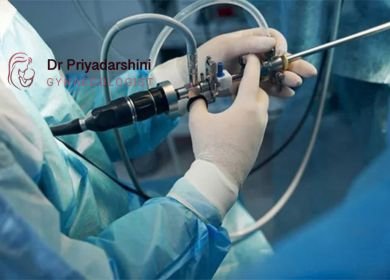
Laparoscopic surgery is a technique that allows a surgeon to examine or operate on pelvic organs through small incisions in the abdomen. A thin instrument called a laparoscope carries a camera that displays images on a monitor.
Additional small incisions may be made to insert surgical instruments. The procedure is generally performed under general anaesthesia.
Depending on the condition, laparoscopy may be used to investigate pelvic pain, treat certain ovarian cysts, manage endometriosis, remove the uterus in selected cases, or investigate some causes of infertility.
Which Conditions Can Be Treated With Laparoscopic Surgery?
Laparoscopic surgery may be considered for several gynecological conditions, depending on their severity and the patient’s overall health.
1. Ovarian Cysts
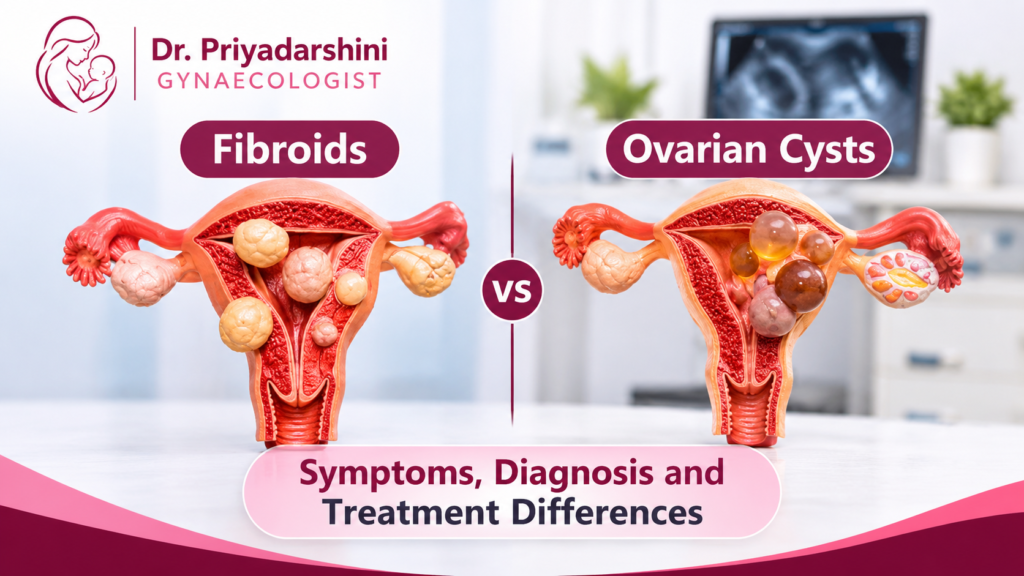
Many ovarian cysts disappear without treatment. Surgery may be considered if a cyst persists, causes significant symptoms, grows, or has concerning features. In suitable cases, laparoscopic ovarian cystectomy may remove the cyst while preserving healthy ovarian tissue where possible.
Learn more about ovarian cyst treatment and surgery.
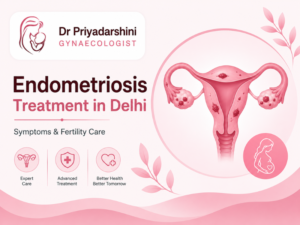
2. Endometriosis
Endometriosis can cause painful periods, pelvic pain, pain during intercourse, and fertility difficulties. In selected cases, laparoscopy can help identify and treat endometriosis tissue.
Surgery is not necessary for everyone with endometriosis. Treatment depends on symptoms, previous care, and whether pregnancy is a current goal.
3. Uterine Fibroids
Fibroids are non-cancerous growths in or around the uterus. Depending on their size and location, they can cause heavy periods, pelvic pressure, or fertility concerns. Some fibroids may be suitable for minimally invasive surgery, while others require a different approach.
Read more about fibroid symptoms and treatment options.
4. Hysterectomy and Infertility-Related Conditions
A hysterectomy, which involves removing the uterus, can be performed laparoscopically in selected patients. Laparoscopy may also help investigate certain infertility-related conditions, such as pelvic adhesions or suspected endometriosis.
The decision depends on the likely benefits, possible risks, alternative treatments, and the patient’s reproductive goals.
What Are the Benefits of Laparoscopic Gynecology Surgery?
Compared with traditional open abdominal surgery, laparoscopy may offer several benefits for suitable patients:
- Smaller incisions: Usually result in smaller scars.
- Less postoperative discomfort: Many patients experience less pain than after open surgery.
- Shorter hospital stay: Some procedures allow patients to return home the same day or after a short stay.
- Recovery that may be faster: Many patients return to routine activities sooner, depending on the operation.
- Clear internal visualisation: The camera helps the surgeon view pelvic structures during the procedure.
These benefits are not guaranteed for every patient. The outcome depends on the type of surgery, the condition being treated, and individual health factors.
What Are the Risks of Laparoscopic Surgery?
Laparoscopic gynecology surgery is commonly performed, but it still carries risks. Possible complications include:
- Bleeding or infection
- Reactions to anaesthesia
- Injury to nearby organs, such as the bladder, bowel, or blood vessels
- Blood clots
- Complications related to the specific operation
- Conversion to open surgery if the surgeon determines that it is safer
Previous abdominal surgery, extensive adhesions, certain medical conditions, and the complexity of the procedure may affect the risks.
Before surgery, ask your gynecologist to explain the expected benefits, possible complications, alternatives, and what would happen if an open procedure became necessary.
What Is the Recovery Time After Laparoscopic Gynecology Surgery?
Recovery depends on the procedure performed. A minor diagnostic procedure may require less recovery time than an ovarian cyst operation or laparoscopic hysterectomy.
First Few Days
You may experience tiredness, mild abdominal discomfort, bloating, soreness around the incisions, or temporary shoulder pain caused by gas used during surgery. Follow your discharge instructions and take only medicines recommended by your healthcare team.
During the First One to Two Weeks
Some patients gradually return to light activities during this period, depending on the operation and their recovery. Gentle walking may be encouraged, but heavy lifting, strenuous exercise, and driving should be avoided until your surgeon says they are safe.
Recovery After Major Surgery
Procedures such as laparoscopic hysterectomy may require several weeks of recovery. Your surgeon will advise when you can return to work, exercise, sexual activity, and other normal routines.
Do not use another person’s recovery time as your target. Your own recovery plan should be based on the procedure and your health.
What Warning Signs Should You Watch for After Surgery?
Contact your healthcare team promptly if you develop fever, increasing abdominal pain, worsening redness or discharge from an incision, difficulty passing urine, or heavy vaginal bleeding.
Seek urgent medical attention for severe pain, fainting, chest pain, difficulty breathing, or a painful swollen leg. These symptoms may indicate a serious complication and should not be ignored.
How Should You Prepare for Laparoscopic Surgery?
Your preparation will depend on the procedure and the instructions provided by your surgical team. Before surgery:
- Share your medical history, allergies, and current medicines.
- Inform your doctor if you may be pregnant or are planning a pregnancy.
- Complete recommended blood tests, scans, or other investigations.
- Follow instructions about fasting and medication changes.
- Arrange transport and help at home if you will need assistance after discharge.
- Ask about the expected hospital stay, recovery time, costs, and follow-up appointments.
If fertility is important to you, discuss whether the procedure could affect ovarian function, the uterus, or future pregnancy before making a decision.
Frequently Asked Questions
1. Is laparoscopic gynecology surgery safe?
It is commonly used for suitable conditions, but every operation carries risks. Your surgeon can explain the risks based on your diagnosis and health.
2. How long does recovery take after laparoscopic surgery?
Minor procedures may require a shorter recovery, while major operations can take several weeks. Follow your surgeon’s instructions.
3. Does laparoscopic surgery leave scars?
Yes, but it generally uses small incisions, so scars are usually smaller than those from open abdominal surgery.
4. Can laparoscopic surgery affect fertility?
The effect depends on the procedure and the condition being treated. Discuss fertility goals and possible risks with your gynecologist before surgery.
5. Is laparoscopy suitable for every gynecological condition?
No. Some conditions are better managed with medicines, observation, another minimally invasive procedure, or open surgery.
Explore More Women’s Health Resources
https://drpriyadarshinigynae.com
https://drpriyadarshinigynae.com/contact
https://drpriyadarshinigynae.com/about
https://drpriyadarshinigynae.com/treatments/laparoscopic-gynecology
Book a Consultation With Dr. Priyadarshini Ghosh
If you have been diagnosed with an ovarian cyst, fibroids, endometriosis, or another condition that may require surgery, a consultation can help you understand the available options. Laparoscopy may be suitable for some patients, but the final decision should follow an individual medical evaluation.
Dr. Priyadarshini Ghosh is a gynecologist and infertility specialist with over 15 years of experience and training at the Royal College of Obstetricians and Gynaecologists in London.
Clinic: Advanced Gynae Care Clinic, L23, Block L, Kalkaji, New Delhi – 110019
Phone: +91-8595274949
Email: advancedgynaecare@gmail.com
Consultation hours: Monday–Saturday, 11:00 AM–7:00 PM; Sunday closed.
Directions: Find Advanced Gynae Care Clinic on Google Maps
To book an appointment, call the clinic or use the contact page. Share your symptoms, previous reports, and any surgery already recommended to you.
Take the next step: Arrange a consultation to discuss your diagnosis, whether laparoscopic surgery is appropriate, and what recovery may involve in your specific case.