
Not every gynaecological problem can be identified through a routine ultrasound. Sometimes, even after an ultrasound examination, a doctor may need a closer look at the inner lining and cavity of the uterus to understand the cause of abnormal bleeding, fertility problems or repeated pregnancy loss.
This is where diagnostic hysteroscopy becomes important.
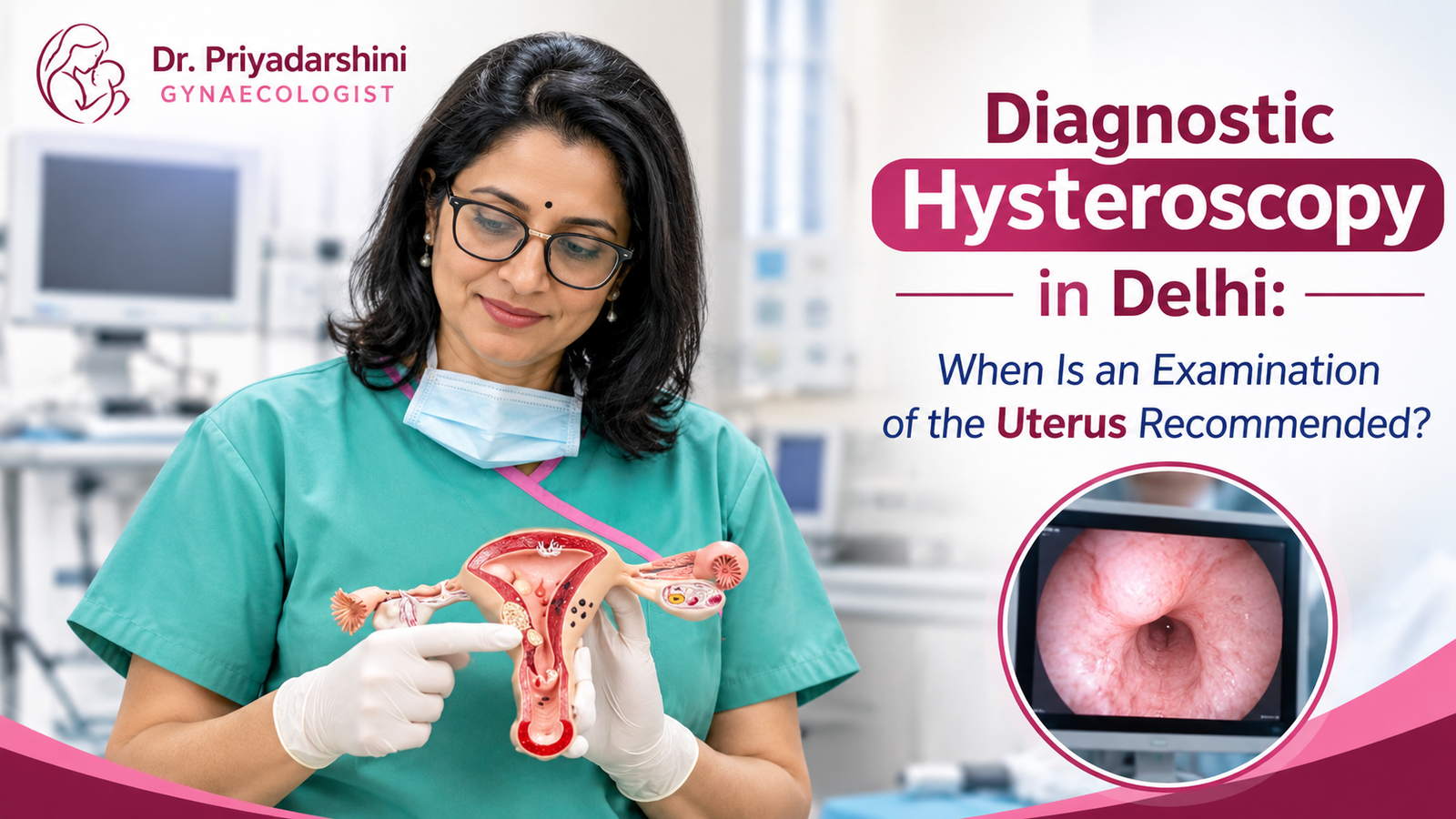
Diagnostic hysteroscopy is a minimally invasive procedure that allows a gynaecologist to examine the inside of the uterus using a thin instrument with a camera and light. It helps identify abnormalities that may not be clearly visible through routine investigations.
For women experiencing unexplained menstrual changes, difficulty conceiving or repeated miscarriages, this examination may provide useful information for further treatment planning.
But when is diagnostic hysteroscopy actually needed? Is it painful? Does it require hospital admission? Let’s understand the procedure and what women should know before undergoing it.
What Is Diagnostic Hysteroscopy?
Diagnostic hysteroscopy is a gynaecological examination used to directly view the inside of the uterus, particularly the endometrial lining and uterine cavity.
The doctor uses a thin instrument called a hysteroscope, which has a small camera and light source. It is gently passed through the vagina and cervix into the uterus.
A sterile fluid, usually saline, is introduced to gently expand the uterine cavity so that the doctor can examine its internal structures more clearly.
Unlike an ultrasound, which creates images of the uterus, hysteroscopy allows direct visual examination of the uterine cavity.
It can help identify:
- Endometrial polyps.
- Submucosal fibroids.
- Intrauterine adhesions (scar tissue).
- Uterine septum or certain structural abnormalities.
- Areas of abnormal endometrial lining.
- Possible causes of unexplained uterine bleeding.
Depending on the findings, the doctor may also recommend a biopsy or a separate operative procedure.
When Is Diagnostic Hysteroscopy Recommended?
Diagnostic hysteroscopy is not required for every woman. A gynaecologist usually recommends it when symptoms, ultrasound findings or medical history suggest a problem inside the uterine cavity.
Here are some common situations in which it may be useful.
1. Heavy or Irregular Menstrual Bleeding
Heavy periods, prolonged bleeding or spotting between menstrual cycles may sometimes indicate an abnormality inside the uterus.
Conditions such as endometrial polyps, submucosal fibroids and changes in the uterine lining can contribute to abnormal bleeding.
Hysteroscopy allows the doctor to examine the uterine cavity and identify possible structural causes.
2. Bleeding After Menopause
Any vaginal bleeding after menopause should be evaluated, even if it occurs only once.
Although the cause may be a benign condition such as an endometrial polyp, it is important to rule out endometrial hyperplasia and cancer.
Depending on the findings, hysteroscopy and endometrial biopsy may be recommended.
3. Difficulty Getting Pregnant
The condition of the uterine cavity can be an important part of fertility evaluation.
Polyps, fibroids that project into the cavity and intrauterine adhesions may affect the environment in which an embryo implants.
If an ultrasound or previous fertility investigation suggests an abnormality, diagnostic hysteroscopy may help examine it more closely.
However, it is not routinely necessary for every woman experiencing infertility.
You can also read our guide on Infertility Treatment in Delhi to understand the different factors that may affect conception.
4. Repeated Pregnancy Loss
Experiencing repeated miscarriages can be emotionally difficult.
In selected women, a doctor may investigate whether an abnormality inside the uterine cavity is contributing to pregnancy loss.
Hysteroscopy can help identify conditions such as intrauterine adhesions, polyps and certain uterine abnormalities.
Further investigations may be needed to understand the complete cause of recurrent pregnancy loss.
5. Suspected Uterine Polyps or Fibroids
Sometimes, an ultrasound report may indicate a suspected polyp or fibroid inside the uterine cavity.
Diagnostic hysteroscopy helps the doctor directly assess its location and appearance.
If treatment is appropriate, an operative hysteroscopy may be planned to remove the growth.
Read more about Uterine Polyps: Symptoms, Diagnosis and Treatment.
How Is Diagnostic Hysteroscopy Different From Ultrasound?
Both investigations help evaluate the uterus, but they serve different purposes.
A pelvic or transvaginal ultrasound uses sound waves to create images of the uterus, ovaries and surrounding pelvic structures.
Diagnostic hysteroscopy, on the other hand, allows the doctor to directly examine the inside of the uterine cavity.
For example, an ultrasound may suggest an endometrial polyp, while hysteroscopy allows the doctor to view the suspected growth directly.
These examinations can complement each other. Your gynaecologist will decide which investigation is appropriate based on your symptoms and previous reports.
What Happens During a Diagnostic Hysteroscopy?
The procedure is generally straightforward, although preparation and the setting depend on the patient’s medical condition and the type of examination.
The usual steps include:
Step 1: Initial Consultation
The doctor reviews your menstrual history, symptoms, previous ultrasound reports and medical history.
Step 2: Preparation
The procedure is commonly scheduled after menstrual bleeding has stopped, when the uterine lining can be examined more clearly. Pregnancy must be reasonably excluded before the procedure.
Step 3: Hysteroscope Insertion
A thin camera-equipped instrument is gently passed through the vagina and cervix into the uterus.
Step 4: Examination of the Uterine Cavity
Saline is introduced to improve visibility. The doctor examines the uterine lining and looks for polyps, fibroids, adhesions or other abnormalities.
Step 5: Further Evaluation
If necessary, a small tissue sample may be collected for laboratory examination. If a condition requires surgical treatment, the doctor may recommend operative hysteroscopy.
The examination can be performed in an outpatient setting or a hospital, depending on the procedure and patient requirements.
Is Diagnostic Hysteroscopy Painful?
This is one of the most common concerns among women.
The experience varies from person to person. Some women feel mild discomfort or period-like cramps, while others may experience more significant pain.
The level of discomfort can depend on:
- Cervical sensitivity.
- The size of the hysteroscope.
- Individual pain tolerance.
- Previous gynaecological procedures.
- Whether a biopsy is also performed.
Pain-management options may include appropriate oral medication, local anaesthesia or sedation, depending on the clinical situation.
If you are worried about pain, discuss the available options with your gynaecologist before the examination. You can also ask for the procedure to be paused or stopped if the discomfort becomes difficult to tolerate.
What Is the Difference Between Diagnostic and Operative Hysteroscopy?
Although both procedures use a hysteroscope, their purposes are different.
Diagnostic Hysteroscopy: Mainly used to examine the uterine cavity and identify abnormalities. A biopsy may also be taken when required.
Operative Hysteroscopy: Used to treat certain conditions found inside the uterus. Specialised instruments are passed through the hysteroscope to remove polyps, selected fibroids, adhesions or a uterine septum.
For example, Hysteroscopic Septum Resection may be considered for selected women diagnosed with a uterine septum.
The appropriate procedure depends on the diagnosis and individual treatment requirements.
What Are the Risks of Diagnostic Hysteroscopy?
Diagnostic hysteroscopy is generally considered a safe procedure when performed by a trained gynaecologist in an appropriate clinical setting.
However, possible complications include:
- Temporary abdominal cramps.
- Light vaginal bleeding or spotting.
- Infection.
- Injury or perforation of the uterine wall, which is uncommon.
- Rare complications related to the fluid used during the procedure.
Your doctor should explain the expected benefits, possible risks and pain-relief options before obtaining your consent.
What Should You Expect After Diagnostic Hysteroscopy?
Most women can return home shortly after an uncomplicated diagnostic hysteroscopy.
Mild cramps or light bleeding may occur for a few days. Recovery is generally quicker after a simple examination than after an operative procedure.
Follow your doctor’s advice regarding physical activities, sexual intercourse and vaginal hygiene.
Contact your healthcare provider if you develop fever, severe abdominal pain, foul-smelling vaginal discharge or heavy bleeding.
If a biopsy was taken, attend your follow-up appointment to discuss the results.
Diagnostic Hysteroscopy in Delhi: Choosing the Right Gynaecological Care
An accurate diagnosis is an important step towards managing menstrual problems and reproductive health concerns.
At Advanced Gynae Care Clinic, Dr. Priyadarshini Ghosh provides gynaecological consultation and hysteroscopy-related care in Kalkaji, New Delhi.
The clinic’s gynaecological services include diagnostic hysteroscopy, hysteroscopic uterine polypectomy and hysteroscopic septum resection.
Whether you are experiencing abnormal bleeding, have been diagnosed with a uterine abnormality or need further evaluation during fertility treatment, a personalised consultation can help determine the next appropriate step.
The need for hysteroscopy should always be assessed according to your symptoms, medical history and previous investigation reports.
Frequently Asked Questions About Diagnostic Hysteroscopy
1. Why is diagnostic hysteroscopy recommended?
Diagnostic hysteroscopy is recommended to examine the inside of the uterus when a woman experiences unexplained bleeding, suspected uterine polyps, certain fibroids, recurrent pregnancy loss or selected fertility-related concerns.
2. How long does diagnostic hysteroscopy take?
A simple diagnostic hysteroscopy usually takes around 5–15 minutes. Additional time may be required if a biopsy or another procedure is performed.
3. Can diagnostic hysteroscopy detect uterine polyps?
Yes. Hysteroscopy allows the doctor to directly examine the uterine cavity and identify endometrial polyps. If appropriate, a separate or same-session operative procedure may be planned to remove them.
4. Is hospital admission necessary for diagnostic hysteroscopy?
Not always. Many diagnostic hysteroscopies can be performed as outpatient procedures. Admission or a hospital-based setting may be required depending on the patient’s condition, anaesthesia and planned treatment.
5. Can I become pregnant after diagnostic hysteroscopy?
Yes. Diagnostic hysteroscopy does not usually affect future fertility. In fact, it may help identify uterine abnormalities that need further evaluation. Your doctor will advise when you can resume pregnancy planning.
Book Your Diagnostic Hysteroscopy Consultation in Delhi
Unexplained bleeding, repeated miscarriages or difficulty conceiving deserve proper medical evaluation. Understanding what is happening inside the uterus can help your gynaecologist recommend the right treatment.
If you have been advised to undergo diagnostic hysteroscopy or want to discuss your gynaecological symptoms, consult Dr. Priyadarshini Ghosh at Advanced Gynae Care Clinic, Kalkaji, New Delhi.
Get your previous reports reviewed, understand the examination process and discuss the most suitable approach for your reproductive health.
Book your consultation today.
Advanced Gynae Care Clinic
- Doctor: Dr. Priyadarshini Ghosh
- Address: L23, Block L, Kalkaji, New Delhi – 110019
- Phone: +91-8595274949
- Email: advancedgynaecare@gmail.com
- website: https://drpriyadarshinigynae.com/
- contact: https://drpriyadarshinigynae.com/contact/
- Timings: Monday–Saturday, 11:00 AM–7:00 PM
- Sunday: Closed
Call for an appointment: +91-8595274949