
Pelvic pain, abdominal heaviness, irregular periods and difficulty getting pregnant can sometimes be linked to gynaecological conditions such as uterine fibroids or ovarian cysts. Since both conditions can cause similar symptoms, many women find it difficult to understand the difference.
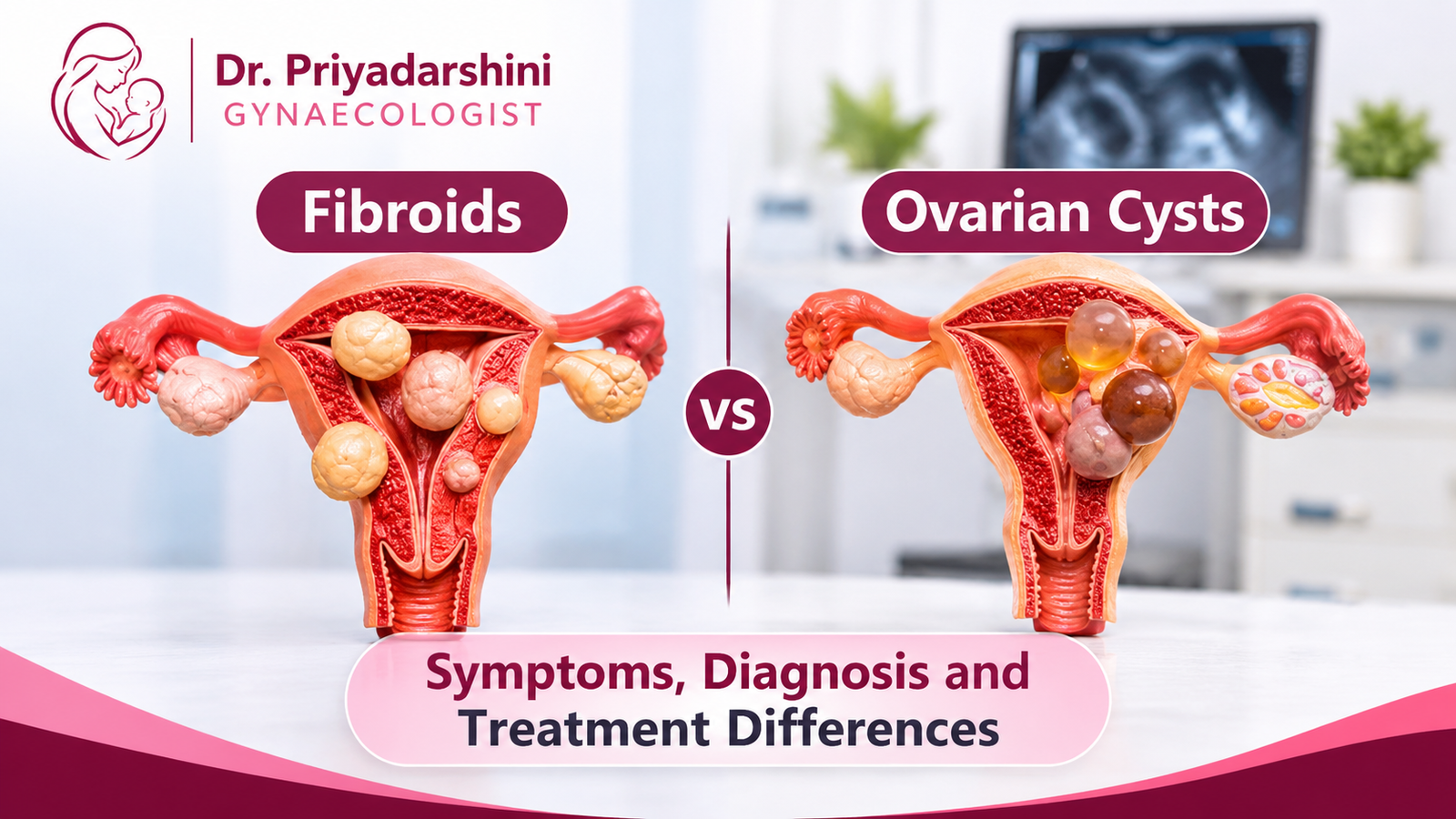
However, fibroids and ovarian cysts are not the same condition. Fibroids develop in or around the uterus, while ovarian cysts form on or inside the ovaries. Their causes, diagnosis and treatment options are also different.
Understanding these differences can help you recognise possible symptoms and seek the right medical advice. This guide explains how fibroids and ovarian cysts differ and when you should consult a gynaecologist.
What Are Uterine Fibroids?
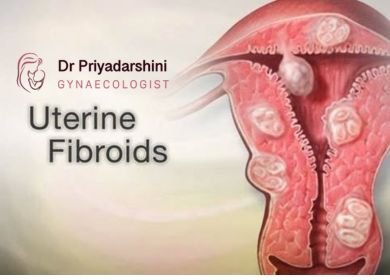
Uterine fibroids are non-cancerous growths that develop from the muscular tissue of the uterus. They are also known as leiomyomas or myomas.
Fibroids can vary in size and number. Some are very small, while others may grow large enough to cause pressure on nearby organs. Their location is also important because fibroids can develop inside the uterine cavity, within the uterine wall or on the outer surface of the uterus.
Some women have no symptoms and discover fibroids during a routine ultrasound. Others may experience heavy periods, pelvic discomfort or pressure.
What Are Ovarian Cysts?
An ovarian cyst is a fluid-filled sac or pouch that develops on or inside one of the ovaries. Ovaries are reproductive organs located on either side of the uterus.
Many ovarian cysts develop naturally during the menstrual cycle. These are commonly called functional cysts and often disappear without treatment.
Other types include endometriomas, dermoid cysts and cystadenomas. Their appearance and behaviour can differ, so an ultrasound assessment is important to understand what type of cyst may be present.
Most ovarian cysts are benign, but some require closer monitoring or treatment depending on their size, appearance, symptoms and the woman’s age.
Fibroids vs Ovarian Cysts: What Is the Main Difference?
The biggest difference is where they develop. Fibroids originate from the uterus, whereas ovarian cysts develop in or on the ovaries.
| Feature | Uterine Fibroids | Ovarian Cysts |
|---|---|---|
| Location | In or around the uterus | On or inside an ovary |
| Nature | Solid muscular growths | Usually fluid-filled sacs |
| Common symptoms | Heavy periods, pelvic pressure and painful periods | Pelvic pain, bloating and abdominal fullness |
| Menstrual changes | Heavy or prolonged bleeding is common | Periods may sometimes become irregular |
| Diagnosis | Mainly pelvic ultrasound | Mainly pelvic ultrasound |
| Treatment | Monitoring, medicines or selected procedures | Monitoring, follow-up or surgery when needed |
Both conditions can occur during the reproductive years. However, having one does not automatically mean that you have the other.
What Are the Common Symptoms of Fibroids?
Fibroid symptoms depend on their size, number and location. Some women may not experience any noticeable problems.
Common symptoms include:
- Heavy or prolonged menstrual bleeding
- Painful periods and abdominal cramps
- Pelvic pain or pressure
- Lower back discomfort
- Frequent urination due to pressure on the bladder
- Constipation in some cases
- Pain during sexual intercourse
- Difficulty conceiving in selected cases
Heavy bleeding over time can also cause iron-deficiency anaemia, leading to tiredness, weakness or dizziness.
For a detailed explanation, read our guide on Fibroids in Women: Symptoms, Causes and Treatment.
What Are the Common Symptoms of Ovarian Cysts?
Many ovarian cysts do not cause symptoms and are found during routine examinations. Symptoms may develop when a cyst becomes large, ruptures or causes the ovary to twist.
Possible symptoms include:
- Pain or discomfort in the lower abdomen
- Pelvic pain, sometimes more noticeable on one side
- Abdominal bloating or swelling
- A feeling of fullness after eating a small amount
- Pain during sexual intercourse
- Frequent urination due to pressure
- Changes in menstrual patterns
Sudden, severe pelvic pain with nausea or vomiting may indicate a complication such as ovarian torsion or cyst rupture. This requires urgent medical assessment.
How Are Fibroids and Ovarian Cysts Diagnosed?
Since both conditions can cause overlapping symptoms, a proper gynaecological evaluation is important. Your doctor may ask about your menstrual cycle, pain, previous pregnancies, medical history and future pregnancy plans.
1. Pelvic Ultrasound
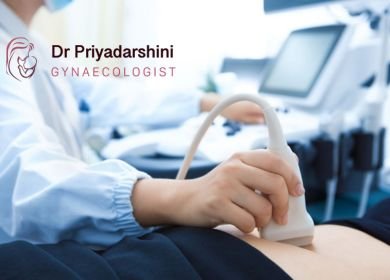
Ultrasound is one of the most commonly used tests for both conditions.
For fibroids, it helps identify their size, number and location in relation to the uterus.
For ovarian cysts, it helps assess the cyst’s size, structure, location and whether it appears simple or complex.
A transvaginal ultrasound may provide a clearer view of the pelvic organs when appropriate.
2. Blood Tests
If you have heavy menstrual bleeding, a complete blood count may be recommended to check for anaemia.
For selected ovarian cysts, particularly when ultrasound findings raise concerns, your doctor may recommend blood tests such as CA-125. This test cannot diagnose ovarian cancer on its own and must be interpreted with other clinical findings.
3. Additional Investigations
Some women may need further imaging, such as an MRI, for a more detailed assessment. The choice of test depends on the initial findings and treatment planning.
Not every patient needs all these investigations. Your gynaecologist will recommend tests according to your symptoms and scan results.
How Are Fibroids and Ovarian Cysts Treated?
There is no single treatment suitable for every woman. The right approach depends on the condition, symptoms, age, scan findings and future pregnancy plans.
Treatment Options for Fibroids
Observation: Small fibroids that do not cause symptoms may only require periodic monitoring.
Medicines: Certain medicines can help control heavy menstrual bleeding and period-related pain. They may manage symptoms without permanently removing fibroids.
Myomectomy: This procedure removes fibroids while preserving the uterus. It may be considered for selected women, including those who wish to retain the possibility of future pregnancy.
Hysteroscopic treatment: Some fibroids growing into the uterine cavity can be removed through a hysteroscope.
Other procedures: Depending on the patient’s condition and reproductive plans, other procedures may also be discussed.
Treatment Options for Ovarian Cysts
Watchful waiting: Many simple ovarian cysts disappear naturally. Your doctor may recommend a repeat ultrasound to monitor changes.
Medicines: Medication may be used to manage associated symptoms or underlying conditions. However, hormonal contraceptive pills do not make an existing functional cyst disappear faster.
Ovarian cystectomy: If surgery is necessary, the doctor may remove the cyst while preserving the ovary whenever possible.
Further surgery: Larger, persistent or suspicious cysts may require a different surgical approach depending on the findings.
For more information, read about Ovarian Cyst Treatment in Delhi.
Can Fibroids or Ovarian Cysts Affect Fertility?
Both conditions can be associated with fertility concerns, but their impact varies.
Certain fibroids, especially those that distort the uterine cavity, may affect implantation or pregnancy outcomes. However, many women with fibroids conceive naturally and have healthy pregnancies.
Most ovarian cysts do not prevent pregnancy. However, some conditions, such as endometriosis-related cysts, may be associated with fertility difficulties. Surgery may also affect ovarian tissue in some cases, so fertility preservation should be discussed before treatment.
If you are planning a pregnancy or experiencing difficulty conceiving, a complete fertility assessment can help identify possible causes. You can also explore our guide to Infertility Treatment in Delhi.
When Should You Consult a Gynaecologist?
Do not ignore persistent pelvic discomfort or unusual menstrual changes. Consider a consultation if you experience:
- Repeatedly heavy or prolonged periods
- Persistent lower abdominal or pelvic pain
- Unusual abdominal swelling or fullness
- Frequent urination or pressure in the pelvic area
- Difficulty conceiving
- A previously diagnosed fibroid or ovarian cyst that needs follow-up
Seek urgent medical attention if you experience sudden severe pelvic pain, especially when accompanied by vomiting, faintness or significant weakness.
Frequently Asked Questions
1. Are fibroids and ovarian cysts the same?
No. Fibroids are non-cancerous growths that develop in or around the uterus. Ovarian cysts are sacs containing fluid or other material that form on or inside the ovaries.
2. Which is more dangerous: fibroids or ovarian cysts?
Neither condition is automatically more dangerous. Most fibroids and many ovarian cysts are benign. The level of concern depends on symptoms, size, location, scan findings and individual health factors.
3. Can fibroids and ovarian cysts occur together?
Yes. A woman can have both conditions at the same time. An ultrasound can help identify whether one or both are present.
4. Can fibroids or ovarian cysts disappear without surgery?
Some small or asymptomatic fibroids can be monitored without treatment, while many functional ovarian cysts disappear naturally. However, follow-up and treatment decisions should be based on medical evaluation.
5. Can I get pregnant if I have fibroids or ovarian cysts?
Yes, many women with either condition can become pregnant. The effect on fertility depends on the type, size and location of the growth or cyst. A gynaecologist can assess your individual situation and discuss suitable options.
Consult Dr. Priyadarshini Ghosh for Gynaecological Care in Delhi
Fibroids and ovarian cysts may cause similar symptoms, but they require different approaches to diagnosis and treatment. Identifying the exact condition is important before deciding whether monitoring, medicines or surgery may be needed.
If you are experiencing heavy periods, pelvic pain, abdominal discomfort or fertility concerns, consult Dr. Priyadarshini Ghosh, gynaecologist and infertility specialist at Advanced Gynae Care Clinic, Kalkaji, New Delhi.
Discuss your symptoms, ultrasound findings and pregnancy plans to understand the treatment options suitable for your health needs.
Book your consultation:
- Doctor: Dr. Priyadarshini Ghosh
- Clinic: Advanced Gynae Care Clinic
- Address: L23, Block L, Kalkaji, New Delhi – 110019
- Phone: +91-8595274949
- Email: advancedgynaecare@gmail.com
- website: https://drpriyadarshinigynae.com/
- contact: https://drpriyadarshinigynae.com/contact/
- Timings: Monday–Saturday, 11:00 AM–7:00 PM
Take the first step towards better reproductive health with timely medical guidance.