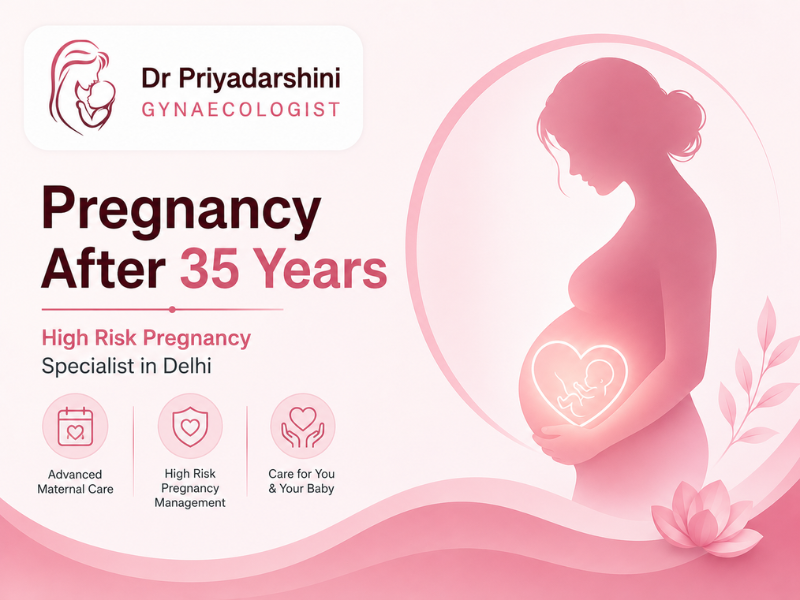

Pregnancy is an exciting and life-changing journey. While most pregnancies progress normally, some require additional medical attention and monitoring. These are often referred to as high-risk pregnancies. Understanding the warning signs and seeking timely care can help ensure the best possible outcome for both mother and baby.
Many women assume that a high-risk pregnancy only affects those with existing health conditions. However, certain symptoms and situations can develop during pregnancy and require closer observation by an experienced gynecologist.
At Advanced Gynae Care Clinic, Dr. Priyadarshini Ghosh provides comprehensive pregnancy care and specialized support for women experiencing high-risk pregnancies in New Delhi.
What Is a High-Risk Pregnancy?
A high-risk pregnancy is one in which the mother, baby, or both may have an increased chance of developing health complications during pregnancy, labor, or delivery.
Being classified as high-risk does not mean something will definitely go wrong. It simply means that additional care, monitoring, and guidance may be needed throughout the pregnancy journey.
With proper prenatal care and regular checkups, many women with high-risk pregnancies deliver healthy babies.
Who May Be More Likely to Have a High-Risk Pregnancy?
Certain factors can increase the chances of requiring additional pregnancy care, including:
- Pregnancy after the age of 35
- Previous pregnancy complications
- Carrying multiple babies
- High blood pressure
- Diabetes
- Thyroid disorders
- Significant weight concerns
- Certain lifestyle factors
- Family history of pregnancy-related complications
Even if none of these factors apply, every expecting mother should be aware of potential warning signs.
Early Warning Signs of a High-Risk Pregnancy
1. Persistent High Blood Pressure
Blood pressure changes during pregnancy should always be monitored carefully.
High blood pressure can affect both maternal and fetal health and should never be ignored. Regular prenatal visits help detect concerns early.
2. Severe Swelling of Hands, Feet, or Face
Mild swelling is common during pregnancy. However, sudden or excessive swelling may require medical evaluation.
If swelling appears quickly or is accompanied by other symptoms, consult your gynecologist promptly.
3. Severe Headaches
Occasional headaches may occur during pregnancy. However, frequent, intense, or persistent headaches should be discussed with your doctor.
Persistent headaches can sometimes indicate underlying pregnancy-related concerns.
4. Changes in Vision
Blurred vision, flashing lights, double vision, or sudden vision changes should never be ignored during pregnancy.
These symptoms warrant immediate medical attention and evaluation.
5. Vaginal Bleeding
Any vaginal bleeding during pregnancy should be reported to your healthcare provider.
While not every instance indicates a serious problem, prompt assessment is important for maternal and fetal safety.
6. Severe Abdominal Pain
Mild stretching sensations may occur as pregnancy progresses. However, severe or persistent abdominal pain should always be evaluated by a medical professional.
Do not wait for symptoms to worsen before seeking care.
7. Reduced Baby Movement
As pregnancy advances, mothers become familiar with their baby’s movement patterns.
If you notice a significant reduction in movement, it is important to contact your healthcare provider for guidance.
8. Persistent Vomiting
Morning sickness is common, especially during early pregnancy. However, excessive or ongoing vomiting that affects hydration and nutrition may require medical attention.
Proper nutrition plays an essential role in supporting a healthy pregnancy.
9. Unusual Shortness of Breath
Feeling slightly breathless can be normal as pregnancy progresses. However, sudden or severe breathing difficulties should be assessed immediately.
Prompt evaluation helps rule out potential complications.
10. Signs of Early Labor
Experiencing regular contractions, pelvic pressure, or unusual fluid leakage before the expected due date should be discussed with your doctor without delay.
Early identification allows appropriate medical management and support.
Why Regular Pregnancy Checkups Are Important
Many pregnancy complications develop gradually and may not initially cause obvious symptoms.
Routine prenatal visits help monitor:
- Maternal health
- Baby’s growth and development
- Blood pressure
- Weight changes
- Overall pregnancy progress
Regular appointments allow doctors to identify concerns early and recommend appropriate care when needed.
How to Support a Healthy Pregnancy
While not all pregnancy complications can be prevented, healthy lifestyle habits can contribute to better maternal and fetal well-being.
Attend All Prenatal Appointments
Regular checkups are one of the most important parts of pregnancy care.
Eat a Balanced Diet
Nutritious meals support both maternal health and fetal development.
Stay Hydrated
Adequate hydration is essential throughout pregnancy.
Get Appropriate Rest
Proper sleep and rest allow the body to adapt to the physical demands of pregnancy.
Follow Medical Advice
Every pregnancy is unique. Following your gynecologist’s recommendations helps ensure personalized care.
When Should You Contact Your Gynecologist Immediately?
Seek medical advice promptly if you experience:
- Vaginal bleeding
- Severe abdominal pain
- Persistent headaches
- Vision changes
- Significant swelling
- Reduced fetal movement
- Sudden shortness of breath
- Signs of early labor
Early intervention can make a significant difference in pregnancy outcomes.
Frequently Asked Questions
What makes a pregnancy high-risk?
A pregnancy may be considered high-risk when certain maternal, fetal, or pregnancy-related factors increase the likelihood of complications and require closer monitoring.
Can women with high-risk pregnancies have healthy babies?
Yes. With regular prenatal care, medical supervision, and timely intervention when necessary, many women with high-risk pregnancies deliver healthy babies.
Is every pregnancy after age 35 considered high-risk?
Not necessarily. However, pregnancies after 35 may require additional monitoring and regular evaluations.
How often should high-risk pregnancy checkups be scheduled?
The frequency varies depending on individual circumstances and your doctor’s recommendations.
Can lifestyle changes help support a healthy pregnancy?
Healthy eating, proper hydration, adequate rest, regular prenatal visits, and following medical advice can all contribute to a healthier pregnancy experience.
Consult Dr. Priyadarshini Ghosh – High-Risk Pregnancy Specialist in New Delhi
If you are pregnant or planning a pregnancy and have concerns about your health or your baby’s well-being, expert guidance can provide reassurance and support throughout your journey.
Dr. Priyadarshini Ghosh offers personalized pregnancy care, high-risk pregnancy management, fertility guidance, and comprehensive women’s healthcare in New Delhi.
Website:
https://drpriyadarshinigynae.com/
Google Business Profile:
https://share.google/k2DUyAZp8ho0TT6Oc
Advanced Gynae Care Clinic
L-23, Kalkaji, New Delhi – 110019
Book your appointment today and receive compassionate, expert pregnancy care tailored to your needs.