
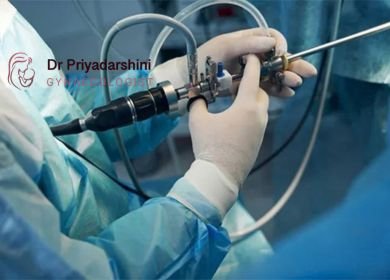
Hysteroscopy is a minimally invasive gynecological procedure used to examine the inside of the uterus. It can help doctors identify problems such as uterine polyps, certain fibroids, abnormal uterine bleeding, adhesions and some causes of infertility or recurrent pregnancy loss. In some cases, treatment can also be performed during the same procedure.
If you have been advised to undergo hysteroscopy, understanding why it is recommended, how the procedure works, its benefits and what recovery may involve can help you feel more prepared.
What Is Hysteroscopy?
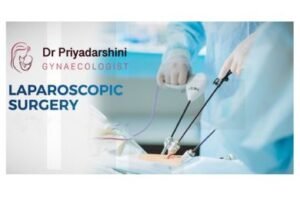
Hysteroscopy is a procedure in which a thin, lighted instrument called a hysteroscope is gently passed through the vagina and cervix into the uterus. This allows the gynecologist to directly see the uterine cavity.
Unlike an ultrasound, which provides an image from outside the uterus, hysteroscopy allows the doctor to examine the inside of the uterus directly.
Depending on the patient’s condition, hysteroscopy may be used for diagnosis, treatment, or both. A small tissue sample may also be taken for laboratory examination when required.
When Is Hysteroscopy Recommended?
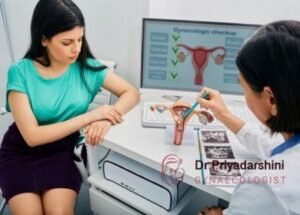
A gynecologist may recommend hysteroscopy when symptoms or previous tests suggest a problem inside the uterus.
Common reasons include:
1. Abnormal or Heavy Menstrual Bleeding
Heavy, prolonged or irregular bleeding may sometimes be related to uterine polyps, fibroids or other abnormalities inside the uterine cavity.
Hysteroscopy can help identify these problems and, when appropriate, allow treatment during the same procedure.
2. Uterine Polyps
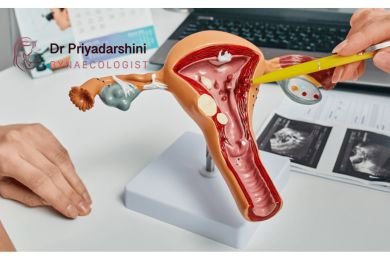
Endometrial or uterine polyps are growths that develop from the lining of the uterus. Some polyps can contribute to abnormal bleeding or may be considered during an infertility evaluation.
Hysteroscopic polypectomy allows the doctor to see the polyp directly and remove it using specialized instruments.
3. Certain Uterine Fibroids
Some fibroids grow into the uterine cavity. Depending on their size and location, hysteroscopic treatment may be an option.
However, not every fibroid can be removed through hysteroscopy. The appropriate treatment depends on factors such as its size, location and depth within the uterine wall.
4. Infertility Evaluation
Hysteroscopy may be considered when a doctor suspects an abnormality within the uterine cavity that could be relevant to fertility.
It may help identify polyps, adhesions, fibroids or structural abnormalities that are not adequately explained by other investigations.
5. Recurrent Pregnancy Loss
In selected patients with repeated pregnancy loss, examining the uterine cavity may help identify structural problems that require further evaluation or treatment.
6. Uterine Adhesions or Septum
Scar tissue inside the uterus, known as adhesions, can sometimes affect the uterine cavity. A uterine septum is another structural abnormality that may be treated hysteroscopically in appropriate cases.
The exact procedure depends on the individual diagnosis.
What Happens During a Hysteroscopy?
The exact process depends on whether the procedure is diagnostic or operative and whether it is performed in an outpatient setting or operating theatre.
Generally, the hysteroscope is introduced through the vagina and cervix. Sterile fluid may be introduced into the uterus to gently expand the cavity, allowing the doctor to see the uterine lining more clearly.
If a problem is identified, small instruments may be passed through the hysteroscope to take a biopsy or treat conditions such as polyps or selected fibroids.
Pain-control options vary depending on the procedure and the patient’s needs. Your gynecologist should discuss the appropriate option before the procedure.
Benefits of Hysteroscopy
Hysteroscopy can offer several important advantages when it is appropriate for a patient’s condition.
Direct View of the Uterus
The doctor can directly examine the inside of the uterine cavity rather than relying only on imaging.
Diagnosis and Treatment in One Procedure
In selected cases, a problem identified during hysteroscopy can be treated during the same procedure.
Minimally Invasive Approach
The hysteroscope is inserted through the natural vaginal and cervical passage, so there is no abdominal incision for the hysteroscopy itself.
Useful in Infertility and Abnormal Bleeding Evaluation
Hysteroscopy can help investigate uterine abnormalities associated with abnormal bleeding, infertility or recurrent pregnancy loss.
Potentially Quick Recovery
Many hysteroscopy procedures are performed as day procedures, and patients may return to normal activities relatively quickly, depending on the procedure and type of anesthesia used.
Hysteroscopy Recovery: What Should You Expect?
Recovery varies depending on whether you had a diagnostic hysteroscopy, biopsy or operative treatment.
Mild period-like cramps and light vaginal bleeding or spotting can occur after the procedure. Many patients can return to normal activities later the same day or the following day, depending on their individual circumstances.
Your doctor may advise you to temporarily avoid certain activities, including sexual intercourse or tampon use, depending on the procedure and your recovery.
If you had general anesthesia or sedation, you may need additional recovery time and should follow the specific instructions provided by your medical team.
What Are the Possible Risks?
Hysteroscopy is generally considered a safe procedure, but like any medical procedure, it has potential risks.
These may include:
- Infection
- Bleeding
- Injury or perforation of the uterus or cervix
- Fluid-related complications in operative procedures
- Problems related to anesthesia or sedation
Serious complications are uncommon, but your doctor should explain the risks relevant to your individual procedure.
Seek medical advice promptly if you develop heavy bleeding, worsening abdominal pain, fever, chills or foul-smelling vaginal discharge after hysteroscopy.
Is Hysteroscopy Painful?
The experience varies between patients and depends on the type of hysteroscopy, individual sensitivity and the pain-relief method used.
Some women experience cramping similar to menstrual pain. Pain-control options may include local anesthesia, medication or other approaches depending on the procedure. Your gynecologist can discuss the most suitable option for you.
Hysteroscopy in Delhi: Choosing the Right Specialist
If you have been advised to undergo hysteroscopy in Delhi, the decision should be based on your diagnosis, symptoms, medical history and the type of procedure required.
Dr. Priyadarshini Ghosh’s official website lists diagnostic hysteroscopy, hysteroscopic uterine polypectomy and hysteroscopic septum resection among her gynecological treatments. She is a gynecologist and infertility specialist with more than 15 years of experience and consults at Advanced Gynae Care Clinic in Kalkaji, New Delhi.
The appropriate procedure should always be decided after a personal consultation and evaluation.
Frequently Asked Questions About Hysteroscopy
1. What is hysteroscopy used for?
Hysteroscopy is used to examine the inside of the uterus and diagnose or treat problems such as uterine polyps, selected fibroids, adhesions, abnormal bleeding and some uterine abnormalities.
2. How long does a hysteroscopy take?
The duration varies according to the type of procedure. A diagnostic hysteroscopy may be relatively short, while additional treatment or tissue removal can take longer.
3. How long does it take to recover from hysteroscopy?
Many patients return to normal activities later the same day or the next day, but recovery depends on whether treatment was performed and what type of anesthesia was used.
4. Can hysteroscopy help with infertility?
Hysteroscopy can help identify certain abnormalities inside the uterus that may be relevant to infertility, such as polyps, adhesions or some structural abnormalities. Treatment may be possible during the same procedure when appropriate.
5. When should I contact my doctor after hysteroscopy?
Contact your doctor if you experience heavy bleeding, worsening abdominal pain, fever, chills or foul-smelling vaginal discharge after the procedure.
Suggested Links
https://drpriyadarshinigynae.com
https://drpriyadarshinigynae.com/contact
https://drpriyadarshinigynae.com/blog
https://www.instagram.com/advancedgynaecare
Take the Next Step for Your Gynecological Health
Persistent heavy bleeding, irregular periods, unexplained infertility or suspected uterine problems should not be ignored.
If your doctor has recommended hysteroscopy or you want to understand whether it may be appropriate for your symptoms, schedule a consultation with an experienced gynecologist.
Dr. Priyadarshini Ghosh provides gynecological and infertility care at Advanced Gynae Care Clinic, L23, Block L, Kalkaji, New Delhi – 110019. The clinic lists consultation hours as Monday to Saturday, 11:00 AM to 7:00 PM.
Call +91-8595274949 to book a consultation and discuss your symptoms, diagnosis and treatment options.