

Uterine fibroids and ovarian cysts are common gynecological conditions, but they develop in different parts of the reproductive system. Both may cause pelvic pain, abdominal discomfort, or fertility concerns. However, their causes, symptoms, diagnosis, and treatment options are different.
The main difference is that fibroids grow in or around the uterus, while ovarian cysts are fluid-filled sacs that develop on or inside an ovary. Some women have no symptoms, and both conditions may be discovered during an ultrasound.
Understanding the difference between fibroids and ovarian cysts can help you recognise possible warning signs and know when to consult a gynecologist.
Dr. Priyadarshini Ghosh is a gynecologist and infertility specialist with over 15 years of experience and training at the Royal College of Obstetricians and Gynaecologists in London. She provides women’s healthcare at Advanced Gynae Care Clinic in Kalkaji, New Delhi.
What Are Uterine Fibroids?
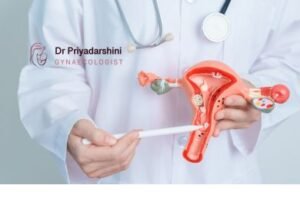
Uterine fibroids, also called myomas or leiomyomas, are usually non-cancerous growths that develop from the muscle tissue of the uterus. They can vary in size, number, and location.
Some fibroids grow within the muscular wall of the uterus, while others develop towards the inner cavity or outer surface.
Common symptoms of uterine fibroids include:
- Heavy or prolonged menstrual bleeding
- Painful periods
- Pelvic pressure or discomfort
- A feeling of fullness in the lower abdomen
- Frequent urination if a fibroid presses on the bladder
- Constipation or lower back discomfort in some cases
- Fertility or pregnancy-related concerns in selected cases
Not every fibroid causes symptoms or requires treatment. The appropriate approach depends on its size, location, symptoms, and your future pregnancy plans.
Read more about fibroid symptoms, causes and treatment options.
What Are Ovarian Cysts?
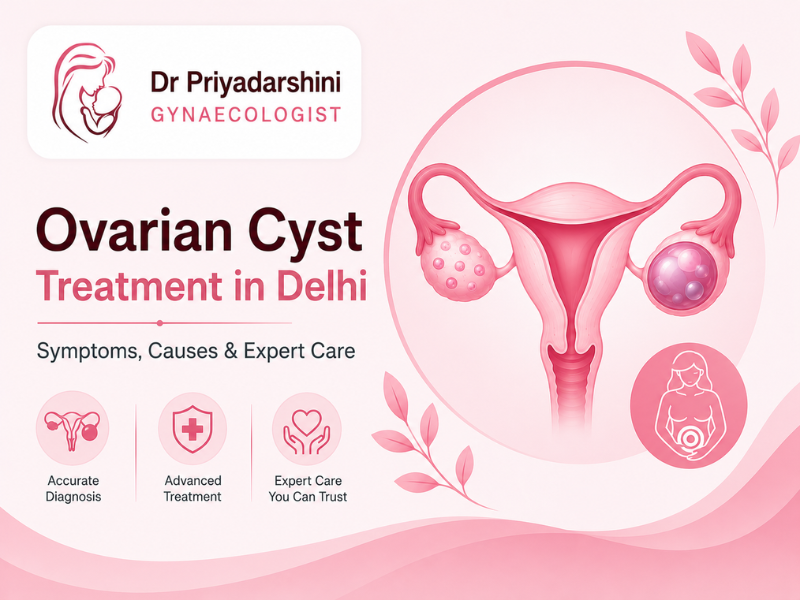
An ovarian cyst is a fluid-filled sac that develops on or inside an ovary. Ovaries are responsible for releasing eggs and producing reproductive hormones.
Many ovarian cysts are related to the menstrual cycle and disappear naturally. Other types may persist, grow, or require closer medical assessment.
Possible ovarian cyst symptoms include:
- Pain or discomfort on one side of the lower abdomen
- Pelvic pain or a feeling of heaviness
- Abdominal bloating or fullness
- Pain during sexual intercourse
- Changes in menstrual patterns in some cases
- Frequent urination if a large cyst presses on the bladder
Many ovarian cysts do not cause noticeable symptoms. The symptoms and recommended care depend on the cyst’s type, size, appearance, and whether it is causing complications.
Learn more about ovarian cyst treatment in Delhi.
Fibroids vs Ovarian Cysts: What Is the Difference?
The most important differences are their location, structure, and typical symptoms.
| Feature | Uterine fibroids | Ovarian cysts |
|---|---|---|
| Location | In or around the uterus | On or inside an ovary |
| Structure | Growths made mainly of muscle and connective tissue | Fluid-filled sacs or other cyst-like structures |
| Common symptom | Heavy or prolonged periods | Pelvic pain or one-sided discomfort |
| Other symptoms | Pressure, frequent urination, abdominal fullness | Bloating, fullness, sometimes menstrual changes |
| Diagnosis | Usually ultrasound; further imaging may be needed | Ultrasound to assess size and appearance |
| Treatment | Observation, medicines or selected procedures | Observation, follow-up or selected treatments, including surgery when needed |
These symptoms can overlap, so a symptom checklist cannot confirm which condition you have. A medical assessment is important for an accurate diagnosis.
Can Fibroids and Ovarian Cysts Cause Similar Symptoms?
Yes. Both conditions may cause pelvic discomfort, abdominal fullness, pain during intercourse, or difficulty becoming pregnant in some cases.
However, certain patterns may provide clues.
Heavy menstrual bleeding: This is commonly associated with uterine fibroids, particularly when they affect the uterine cavity. Ovarian cysts may sometimes be associated with menstrual changes, but heavy bleeding alone cannot identify the cause.
One-sided pelvic pain: Pain on one side of the lower abdomen may occur with an ovarian cyst. Fibroids can also cause pain or pressure, depending on their size and location.
Frequent urination or pressure: A larger fibroid or ovarian cyst may press on the bladder. Examination and imaging help determine the cause.
Fertility concerns: Some fibroids may affect fertility, particularly when they distort the uterine cavity. The effect of an ovarian cyst depends on its type and the underlying condition. Neither diagnosis automatically means that pregnancy will be difficult.
How Are Fibroids and Ovarian Cysts Diagnosed?
Because symptoms can be similar, a gynecologist may recommend different investigations based on your medical history and examination.
1. Medical History and Examination
Your doctor may ask about your menstrual cycle, bleeding pattern, pain location, previous diagnoses, medicines, and pregnancy plans. A physical or pelvic examination may also be recommended when appropriate.
2. Pelvic or Transvaginal Ultrasound
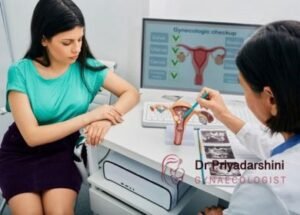
Ultrasound is commonly used to identify uterine fibroids and ovarian cysts.
It can help assess the size and location of fibroids, as well as the size and appearance of an ovarian cyst. A transvaginal ultrasound may provide more detailed images of the uterus and ovaries when suitable.
Additional investigations may be required in some cases. For example, MRI may help assess fibroids in greater detail before treatment, while further assessment of an ovarian cyst depends on its appearance, symptoms, and individual risk factors.
3. Additional Tests When Needed
Blood tests may be recommended if heavy menstrual bleeding raises concern about anaemia. Some ovarian cysts may require additional blood tests or specialist assessment based on their ultrasound features and the patient’s age and medical history.
No single test is necessary for everyone. Your doctor will recommend investigations that are relevant to your symptoms and findings.
Are the Treatments for Fibroids and Ovarian Cysts Different?
Yes. Treatment depends on the diagnosis and individual circumstances. Neither condition automatically requires surgery.
Treatment for Fibroids
If fibroids are small and do not cause significant symptoms, monitoring may be sufficient. Medicines may help manage heavy bleeding or pain.
For selected patients, procedures such as myomectomy may be considered to remove fibroids while preserving the uterus. Other options depend on the fibroid’s size, location, symptoms, and whether future pregnancy is desired.
Treatment for Ovarian Cysts
Many ovarian cysts can be monitored with follow-up examinations or ultrasound, particularly when they are likely to resolve naturally.
Surgery may be considered if a cyst persists, grows, causes significant symptoms, or has concerning features. When suitable, laparoscopic surgery may be used to remove a cyst while preserving healthy ovarian tissue where possible.
The treatment decision should be based on a medical evaluation rather than symptoms alone.
When Should You Seek Medical Attention?
Arrange a gynecological consultation if you experience persistent pelvic pain, unusually heavy periods, ongoing abdominal fullness, changes in your menstrual cycle, or difficulty conceiving.
Seek emergency medical care for sudden, severe pelvic or abdominal pain, especially if it occurs with nausea, vomiting, fainting, fever, or significant dizziness. These symptoms can indicate a serious problem, including ovarian torsion or a ruptured cyst.
Very heavy bleeding accompanied by weakness, faintness, or severe dizziness also requires urgent assessment.
Frequently Asked Questions
1. Which is more serious: fibroids or ovarian cysts?
Neither is automatically more serious. The level of concern depends on symptoms, size, location, and other medical findings.
2. Can an ultrasound distinguish fibroids from ovarian cysts?
Yes. Ultrasound can usually identify whether a growth is associated with the uterus or an ovary, although further tests may sometimes be needed.
3. Can fibroids or ovarian cysts affect fertility?
Yes, in some cases. The effect depends on the type, size, location, and underlying cause. Many women with either condition can still become pregnant.
4. Do all fibroids and ovarian cysts need surgery?
No. Some can be monitored, while medicines or procedures may be recommended for others. Treatment depends on the individual diagnosis.
5. Can ovarian cysts go away on their own?
Yes. Many functional ovarian cysts resolve naturally, but some require follow-up or treatment. Follow your gynecologist’s advice.
Explore More Women’s Health Resources
https://drpriyadarshinigynae.com
https://drpriyadarshinigynae.com/contact
https://drpriyadarshinigynae.com/about
https://drpriyadarshinigynae.com/treatments/fibroids-treatment
Book a Consultation With Dr. Priyadarshini Ghosh
If you have pelvic pain, heavy periods, abdominal discomfort, or have been diagnosed with fibroids or an ovarian cyst, a gynecological consultation can help clarify the diagnosis and appropriate next steps.
Dr. Priyadarshini Ghosh is a gynecologist and infertility specialist with over 15 years of experience and training at the Royal College of Obstetricians and Gynaecologists in London.
Clinic: Advanced Gynae Care Clinic, L23, Block L, Kalkaji, New Delhi – 110019
Phone: +91-8595274949
Email: advancedgynaecare@gmail.com
Consultation hours: Monday–Saturday, 11:00 AM–7:00 PM; Sunday closed.
Directions: Find the clinic on Google Maps
To request an appointment, call the clinic or visit the contact page. Share your symptoms, previous ultrasound reports, and any relevant medical history.
Take the next step: Book a consultation to understand whether your symptoms are related to fibroids, an ovarian cyst, or another condition—and discuss the most appropriate care for you.