
Pelvic pain in women is a common concern that can range from mild menstrual cramps to persistent or severe pain that needs medical evaluation. The pain may be felt in the lower abdomen, around the pelvis, lower back, or during activities such as urination or sexual intercourse.
While some pelvic pain can be related to the menstrual cycle, repeated or unexplained pain should not always be considered normal. Conditions such as endometriosis, ovarian cysts, fibroids, adenomyosis, pelvic inflammatory disease, and urinary or digestive problems can also cause pelvic discomfort.
Understanding the possible causes can help women recognize when it is appropriate to consult a gynecologist.
What Is Pelvic Pain in Women?
Pelvic pain refers to discomfort in the lower part of the abdomen or pelvis. It may feel like:
- Cramping or throbbing
- A dull or heavy ache
- Sharp or stabbing pain
- Pressure or fullness
- Burning pain
- Pain during periods
- Pain during sexual intercourse
- Pain while urinating or passing stools
Pelvic pain can be temporary or persistent. Pain lasting for months may be considered chronic pelvic pain and can have more than one contributing cause.
What Are the Common Gynecological Causes of Pelvic Pain?
1. Painful Periods
Menstrual cramps are one of the most common causes of pelvic pain. They usually occur around the beginning of a period and may spread to the lower back or thighs.
Occasional mild cramps may be normal. However, very painful periods that interfere with daily activities may need further evaluation because conditions such as endometriosis, adenomyosis, fibroids, or pelvic inflammatory disease can also cause painful periods.
2. Endometriosis
Endometriosis occurs when tissue similar to the lining of the uterus grows outside the uterus. It can cause pelvic pain, particularly around menstruation.
Some women may also experience painful periods, pain during sex, lower back discomfort, or difficulty becoming pregnant.
Persistent pelvic pain or severe menstrual pain should therefore be discussed with a gynecologist rather than being assumed to be normal.
3. Ovarian Cysts
Ovarian cysts are fluid-filled sacs that develop on or inside an ovary. Many are harmless and may disappear without treatment, but some can cause symptoms.
Possible symptoms include pelvic or lower abdominal pain, bloating, menstrual changes, pain during sex, or a feeling of fullness. Sudden severe pelvic pain, especially with nausea or vomiting, requires urgent medical assessment.
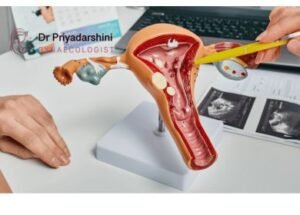
4. Fibroids
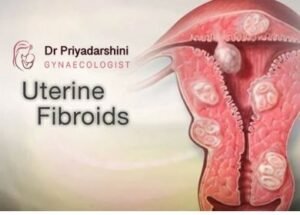
Uterine fibroids are growths that develop in or around the uterus. Depending on their size and location, they may cause pelvic pressure or discomfort.
Women with fibroids may also experience heavy periods, painful periods, abdominal fullness, or fertility concerns.
A gynecological evaluation can help determine whether fibroids are contributing to pelvic symptoms.
5. Adenomyosis
Adenomyosis occurs when tissue similar to the uterine lining grows into the muscular wall of the uterus.
It may cause painful periods, heavy menstrual bleeding, pelvic pain, abdominal heaviness, or pain during sex.
If period pain has become significantly worse over time, medical evaluation can help identify whether adenomyosis or another condition is responsible.
6. Pelvic Inflammatory Disease
Pelvic inflammatory disease, or PID, is an infection involving the female reproductive organs, including the uterus, fallopian tubes, and ovaries.
Symptoms can include pelvic or lower abdominal pain, pain during sex, unusual vaginal discharge, painful or heavy periods, and bleeding between periods or after sex. Early diagnosis and treatment are important because untreated PID can lead to complications, including chronic pelvic pain and fertility problems.
7. Ovulation Pain
Some women experience short-lasting pain around ovulation, often about two weeks before the next period. It may occur on one side of the lower abdomen and can last from a few minutes to one or two days.
Although ovulation pain is often harmless, recurrent or severe pain should still be evaluated to rule out other causes such as ovarian cysts, endometriosis, infection, or pregnancy-related conditions.
Can Pelvic Pain Have Non-Gynecological Causes?
Yes. Pelvic pain does not always originate from the reproductive organs.
Possible causes can include:
- Urinary tract infections
- Bladder conditions
- Constipation
- Irritable bowel syndrome
- Other digestive problems
- Musculoskeletal or pelvic-floor problems
This is why identifying the exact location, timing, severity, and associated symptoms is important during a medical consultation.
When Should You See a Gynecologist for Pelvic Pain?
You should consider consulting a gynecologist if:
- Pelvic pain keeps returning
- Pain does not improve
- Period pain has become unusually severe
- Pain interferes with work or daily activities
- You have pain during sexual intercourse
- You experience heavy or irregular periods
- You have unusual vaginal discharge
- You have bleeding between periods or after sex
- You are experiencing fertility difficulties
- You have persistent bloating or abdominal discomfort
Persistent pelvic pain deserves proper evaluation instead of repeated self-medication.
When Is Pelvic Pain an Emergency?
Some types of pelvic pain require urgent medical attention.
Seek urgent care if pelvic pain is sudden, severe, rapidly worsening, or accompanied by symptoms such as fainting, dizziness, heavy vaginal bleeding, fever, vomiting, or difficulty breathing.
If you are pregnant or could be pregnant and have pelvic or abdominal pain, particularly with bleeding, seek medical assessment promptly because pregnancy-related emergencies such as ectopic pregnancy need to be ruled out.
How Is Pelvic Pain Diagnosed?
Diagnosis depends on your symptoms and medical history. A gynecologist may ask about:
- Your menstrual cycle
- When the pain started
- Where the pain occurs
- Whether the pain is related to periods
- Pain during sex or urination
- Vaginal bleeding or discharge
- Previous surgeries or infections
- Pregnancy plans and fertility concerns
Depending on the findings, the doctor may recommend a physical examination, pregnancy test, urine or infection testing, ultrasound, or other investigations.
The goal is not simply to treat the pain but to identify and manage its underlying cause.
How Is Pelvic Pain Treated?
Treatment depends entirely on the cause.
For some women, treatment may involve medicines for pain or hormonal symptoms. Infections such as pelvic inflammatory disease require appropriate antibiotic treatment. Some ovarian cysts may only need monitoring, while others may require further treatment.
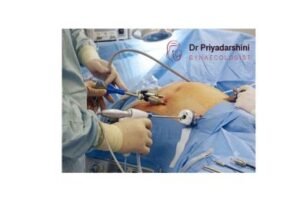
Conditions such as endometriosis, fibroids, or ovarian cysts may require a more individualized approach. In selected cases, minimally invasive gynecological procedures may be considered.
There is no single treatment that is suitable for every woman. A proper diagnosis helps your gynecologist choose the appropriate management plan.
Suggested Links
https://drpriyadarshinigynae.com
https://drpriyadarshinigynae.com/contact
https://drpriyadarshinigynae.com/blog
https://www.instagram.com/advancedgynaecare
Frequently Asked Questions
1. What are the most common causes of pelvic pain in women?
Common causes include painful periods, endometriosis, ovarian cysts, fibroids, adenomyosis, pelvic inflammatory disease, ovulation pain, urinary problems, and digestive conditions. The exact cause can only be determined through appropriate evaluation.
2. Is pelvic pain during periods normal?
Mild menstrual cramps can be common. However, severe or worsening period pain, pain that affects daily activities, or pain accompanied by heavy bleeding or other symptoms should be evaluated by a gynecologist.
3. Can ovarian cysts cause pelvic pain?
Yes. Some ovarian cysts can cause pelvic or lower abdominal pain, bloating, menstrual changes, or pain during sex. Sudden severe pain with nausea or vomiting requires urgent medical assessment.
4. Can endometriosis cause chronic pelvic pain?
Yes. Endometriosis can cause pelvic pain that may become persistent or recur around menstrual cycles. It can also be associated with painful periods and fertility concerns.
5. When should I see a doctor for pelvic pain?
You should consult a doctor if pelvic pain is persistent, keeps returning, is becoming more severe, affects daily activities, occurs with abnormal bleeding or discharge, or is associated with fertility concerns. Severe sudden pain, fainting, heavy bleeding, fever, vomiting, or possible pregnancy requires urgent medical assessment.
Take the Next Step for Your Pelvic Health
Persistent pelvic pain should not simply be dismissed as a normal part of being a woman. Finding the underlying cause can help you receive appropriate treatment and protect your reproductive health.
If you are experiencing recurring pelvic pain, painful periods, ovarian cyst concerns, endometriosis symptoms, abnormal bleeding, or fertility-related concerns, consider consulting an experienced gynecologist for a personalized evaluation.
Book a Consultation with Dr. Priyadarshini Ghosh
Dr. Priyadarshini Ghosh is a gynecologist and infertility specialist with 15+ years of experience. She provides women’s healthcare, infertility care, endometriosis management, and minimally invasive gynecological care at Advanced Gynae Care Clinic, Kalkaji, New Delhi.
Advanced Gynae Care Clinic
L23, Block L, Kalkaji, New Delhi – 110019
Consultation: Monday–Saturday, 11:00 AM–7:00 PM
Phone: +91-8595274949