

Trying to conceive can be an exciting journey, but for some couples, pregnancy may take longer than expected. Infertility can affect either partner, and sometimes more than one factor contributes to difficulty conceiving. The good news is that medical evaluation can help identify possible causes and guide couples toward appropriate treatment options.
If you are looking for infertility treatment in Delhi, understanding the causes, recommended tests, and available treatment approaches can help you take the next step with greater clarity.
Infertility care is not only about treating a woman. Because conception involves both partners, an appropriate evaluation usually considers the reproductive health of both the female and male partner.
What Is Infertility?
Infertility generally refers to difficulty achieving pregnancy despite regular, unprotected intercourse over a period of time. Medical evaluation may be recommended earlier when there are known reproductive health concerns, irregular menstrual cycles, previous pelvic infections, or other factors that may affect fertility.
Infertility can result from problems with ovulation, fallopian tubes, the uterus, sperm production or function, age-related fertility changes, or several factors occurring together.
In some couples, no single cause is identified even after evaluation. This is sometimes described as unexplained infertility.
What Are the Common Causes of Infertility?
1. Ovulation Problems
Ovulation is the release of an egg from the ovary. If ovulation does not happen regularly, conceiving may become difficult.
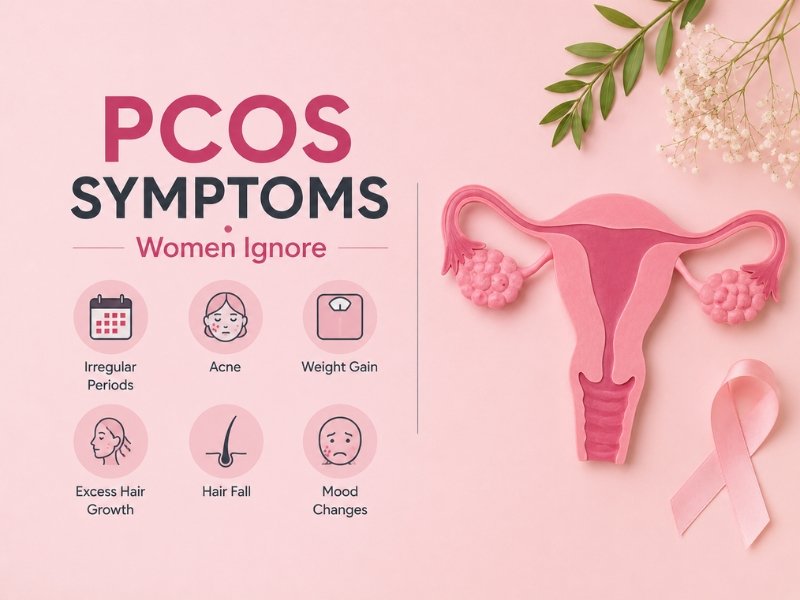
Irregular or absent periods can sometimes indicate an ovulation problem. Conditions such as PCOS, hormonal disorders, thyroid problems, significant weight changes, and other health factors may affect ovulation.
Identifying the underlying cause can help determine the most appropriate treatment.
2. Blocked or Damaged Fallopian Tubes
Fallopian tubes provide a pathway for the egg and sperm to meet. Blocked or damaged tubes can interfere with fertilization.
Tubal problems may be associated with previous pelvic infections, certain surgeries, endometriosis, or other conditions.
Tests such as hysterosalpingography (HSG) may be used to assess whether the fallopian tubes are open. In selected situations, additional evaluation may be recommended.
3. Endometriosis
Endometriosis occurs when tissue similar to the lining of the uterus grows outside the uterus. It may be associated with pelvic pain and fertility difficulties.
Depending on the symptoms and clinical findings, a gynecologist may recommend imaging or other investigations. In selected cases, laparoscopy may be considered to evaluate pelvic structures.
4. Uterine Conditions
Conditions affecting the uterus can sometimes contribute to fertility problems.
Fibroids, uterine polyps, adhesions, or structural abnormalities may affect implantation or the uterine cavity depending on their size and location.
Tests such as ultrasound, hysteroscopy, or other imaging may be recommended when a uterine problem is suspected.
5. Male Factor Infertility
Infertility is not only a female health issue. Sperm-related factors can contribute to difficulty conceiving.
A semen analysis is commonly used to evaluate sperm count, movement, and other characteristics.
Evaluating both partners can help avoid unnecessary delays and provide a more complete understanding of the couple’s fertility.
6. Age-Related Fertility Changes
Female fertility changes with age, particularly because the number and quality of eggs decline over time.
Age does not mean that pregnancy is impossible, but it can influence the time required to conceive and the appropriate approach to fertility evaluation.
For couples concerned about delayed pregnancy, an early consultation can help determine whether testing should begin.
When Should a Couple See an Infertility Specialist?
Many couples wonder how long they should try naturally before seeking medical advice.
A fertility consultation may be appropriate when pregnancy has not occurred despite regular unprotected intercourse, particularly after 12 months when the woman is under 35. For women aged 35 or older, evaluation is generally considered after 6 months of trying. Women over 40 or those with known fertility concerns may benefit from earlier evaluation.
A consultation may also be appropriate sooner if there are:
- Very irregular or absent periods
- Previous pelvic infections
- Known endometriosis
- Previous pelvic or reproductive surgery
- Recurrent pregnancy loss
- Known sperm-related concerns
- Previous fertility treatment
- Concerns about ovarian reserve or reproductive health
The appropriate timing should always be individualized.
What Tests Are Done for Infertility?
There is no single infertility test that works for every couple. Testing is selected according to medical history, age, symptoms, and previous pregnancy history.
Female Fertility Tests
Depending on the situation, evaluation may include:
- Menstrual and ovulation history
- Physical examination
- Blood tests for selected hormones
- Pelvic ultrasound
- Ovarian reserve assessment when appropriate
- HSG to assess the fallopian tubes
- Hysteroscopy to examine the inside of the uterus
- Laparoscopy in selected cases
Not every woman needs every test. A gynecologist can recommend investigations based on the suspected cause.
Male Fertility Tests
A semen analysis is an important part of many infertility evaluations. Depending on the findings and medical history, further assessment may be recommended.
Because fertility involves both partners, evaluating the couple together can help identify potential contributing factors more efficiently.
What Are the Treatment Options for Infertility?
Treatment depends on the underlying cause, age, duration of infertility, previous pregnancy history, and the reproductive goals of the couple.
Lifestyle and Ovulation Guidance
Some couples may benefit from guidance about the fertile window, healthy weight, nutrition, physical activity, smoking cessation, alcohol reduction, and other lifestyle factors.
When irregular ovulation is identified, medical treatment may sometimes be used to help induce or regulate ovulation.
Treatment of Underlying Conditions
If infertility is associated with a condition such as endometriosis, fibroids, ovarian cysts, polyps, or a tubal problem, treatment may focus on the underlying condition.
For example, selected uterine polyps or cavity-distorting fibroids may require procedural treatment. The decision depends on the individual clinical situation.
Surgical Treatment
In selected cases, minimally invasive surgery may be considered.
Laparoscopy can help evaluate certain pelvic conditions, including endometriosis, adhesions, or other abnormalities. Hysteroscopy can be used to examine the uterine cavity and treat selected conditions affecting it.
Dr. Priyadarshini Ghosh’s clinic lists diagnostic laparoscopy for infertility, diagnostic hysteroscopy, hysteroscopic polypectomy, and hysteroscopic septum resection among its gynecological services.
Assisted Reproductive Treatments
Some couples may require fertility treatments such as intrauterine insemination (IUI) or in-vitro fertilization (IVF), depending on the cause and individual circumstances.
These treatments are not automatically required for every couple. The decision should be based on the fertility evaluation and discussed with an appropriate fertility specialist.
Can Infertility Be Treated Successfully?
Many couples with fertility difficulties can achieve pregnancy with appropriate evaluation and treatment, but outcomes vary significantly between individuals.
The chances of success depend on factors such as age, the cause of infertility, ovarian and sperm factors, tubal health, previous pregnancies, and the treatment being considered.
Rather than choosing a treatment based only on online information, couples should first understand the likely cause and available options.
Infertility Treatment in Delhi: Why Personalized Evaluation Matters
If you are searching for infertility treatment in Delhi, it is important to choose care that considers both partners and the specific reason for delayed conception.
Dr. Priyadarshini Ghosh is a gynecologist and infertility specialist in Delhi with more than 15 years of experience. Her practice includes infertility care, endometriosis, fibroids, ovarian cysts, and minimally invasive gynecological procedures.
Her clinic, Advanced Gynae Care Clinic, is located in Kalkaji, New Delhi.
Frequently Asked Questions About Infertility Treatment
1. When should a couple see a doctor for infertility?
A fertility evaluation is generally considered after 12 months of trying to conceive if the woman is under 35, or after 6 months if she is 35 or older. Earlier evaluation may be appropriate when there are known fertility concerns or the woman is over 40.
2. Can both men and women have infertility problems?
Yes. Infertility can involve female factors, male factors, both partners, or sometimes no clearly identified cause. Evaluating both partners can provide a more complete picture of fertility.
3. What tests are commonly done for infertility?
Depending on the couple’s history, tests may include ovulation assessment, blood tests, pelvic ultrasound, HSG, hysteroscopy, laparoscopy, and semen analysis. Not every couple requires all of these tests.
4. Can blocked fallopian tubes be treated?
Treatment depends on the location and severity of the blockage, the woman’s age, overall fertility factors, and pregnancy plans. Some cases may be considered for surgical treatment, while IVF may be an option in other situations.
5. Does infertility always require IVF?
No. IVF is one of several fertility treatment options. Depending on the cause, treatment may involve lifestyle changes, ovulation treatment, treatment of an underlying gynecological condition, surgery, IUI, IVF, or a combination of approaches.
Suggested Links
https://drpriyadarshinigynae.com
https://drpriyadarshinigynae.com/contact
https://drpriyadarshinigynae.com/blog
Take the Next Step Toward Your Fertility Goals
Difficulty conceiving can be stressful, but you do not have to navigate the process without professional guidance. A timely fertility evaluation can help identify possible causes and clarify which treatment options may be appropriate for you and your partner.
If you are trying to conceive and are concerned about delayed pregnancy, irregular ovulation, blocked tubes, endometriosis, fibroids, or other fertility issues, consider scheduling a consultation with an experienced gynecologist and infertility specialist.
Dr. Priyadarshini Ghosh provides infertility and reproductive healthcare at Advanced Gynae Care Clinic, L23, Block L, Kalkaji, New Delhi – 110019. The clinic is open Monday to Saturday, 11:00 AM–7:00 PM.
Book your consultation today and discuss your fertility concerns with a personalized care plan.
Phone: +91-8595274949