
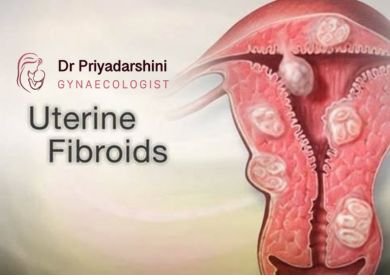
Uterine fibroids are common growths that develop in or around the uterus. They are usually non-cancerous and may not cause any symptoms. However, depending on their size, number, and location, fibroids can lead to heavy periods, pelvic pain, pressure, frequent urination, or fertility concerns.
Many women discover fibroids during a routine ultrasound or gynecological examination. Others seek medical care because of heavy menstrual bleeding or persistent pelvic discomfort.
If you have been diagnosed with fibroids, understanding the symptoms, causes, diagnosis, and available treatment options can help you make informed decisions about your care.
What Are Fibroids in Women?
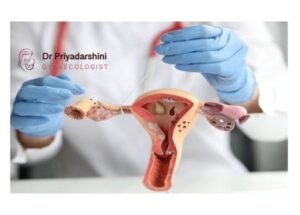
Fibroids, also called uterine leiomyomas or myomas, are growths that develop from the muscle and connective tissue of the uterus.
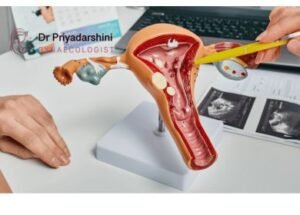
Fibroids can vary considerably in size and location. Some are located within the muscular wall of the uterus, while others grow toward the outer surface or into the uterine cavity.
Not every fibroid needs treatment. If a fibroid is small and does not cause symptoms, your gynecologist may recommend observation and follow-up rather than immediate treatment.
What Are the Common Symptoms of Fibroids?
Some women with fibroids have no symptoms. When symptoms occur, they may include:
- Heavy or prolonged menstrual bleeding
- Painful periods
- Pelvic pain or pressure
- Lower abdominal discomfort
- Lower back pain
- A feeling of fullness or heaviness in the abdomen
- Frequent urination
- Constipation or difficulty passing stools
- Pain or discomfort during sexual intercourse
- Difficulty becoming pregnant in some cases
Heavy menstrual bleeding caused by fibroids can sometimes lead to iron-deficiency anemia, which may cause tiredness, weakness, or shortness of breath.
What Causes Fibroids?
The exact cause of uterine fibroids is not completely understood. Their growth appears to be influenced by reproductive hormones and other biological factors.
Factors associated with a higher likelihood of developing fibroids can include age during the reproductive years, family history, and certain metabolic or hormonal factors. Having a close relative with fibroids may also increase risk.
It is important to remember that developing fibroids is not something a woman should blame herself for. Many factors involved in their development cannot be controlled.
Can Fibroids Affect Fertility?
Fibroids do not automatically mean that a woman will have fertility problems. Many women with fibroids become pregnant without difficulty.
However, certain fibroids can affect fertility depending on their size and location. Fibroids that distort the uterine cavity may be particularly relevant when evaluating infertility or repeated pregnancy problems.
If you are trying to conceive and have been diagnosed with fibroids, your gynecologist can assess the location and characteristics of the fibroids and determine whether they are likely to affect your reproductive plans.
Treatment decisions should take your pregnancy plans into account because some procedures are more suitable than others depending on whether future pregnancy is desired.
How Are Fibroids Diagnosed?
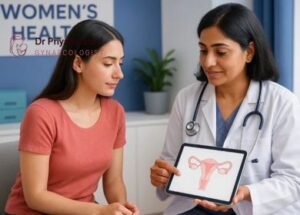
A gynecologist usually begins by discussing your symptoms and menstrual history and may perform a physical examination.
An ultrasound is commonly used to confirm the presence of fibroids. It can help identify their:
- Size
- Number
- Location
- Relationship to the uterus and uterine cavity
In selected situations, additional imaging such as MRI may be recommended to obtain more detailed information, especially when treatment or surgery is being considered.
Your doctor may also recommend blood tests if heavy periods suggest anemia.
Do All Fibroids Need Treatment?
No. Fibroids do not always require treatment.
If a fibroid is not causing symptoms and is not creating a significant health concern, your gynecologist may recommend monitoring it with follow-up examinations or imaging.
Treatment may become appropriate when fibroids cause:
- Heavy or prolonged menstrual bleeding
- Significant pelvic pain or pressure
- Anemia
- Bladder or bowel symptoms
- Problems affecting daily activities
- Fertility-related concerns
- Symptoms that are worsening or not responding to conservative treatment
The appropriate approach depends on your individual circumstances rather than the presence of a fibroid alone.
What Are the Treatment Options for Fibroids?
There is no single treatment that is suitable for every woman. Treatment depends on symptoms, fibroid size and location, age, overall health, and future pregnancy plans.
1. Medicines
Medicines may be used to manage symptoms such as heavy menstrual bleeding or pain.
Some medicines can reduce menstrual blood loss or relieve period-related discomfort. Certain hormone-based medicines may also be used in selected patients.
These treatments generally focus on controlling symptoms and may not permanently remove fibroids. Your doctor should determine which medication is appropriate for you.
2. Hysteroscopic Treatment
Fibroids that grow into the uterine cavity may sometimes be treated through hysteroscopy.
During hysteroscopy, a thin camera is passed through the vagina and cervix to examine the inside of the uterus. Selected fibroids inside the uterine cavity can be removed through this minimally invasive route.
Whether hysteroscopic treatment is suitable depends on the fibroid’s size, location, and characteristics.
3. Myomectomy
A myomectomy is a procedure in which fibroids are removed while preserving the uterus.
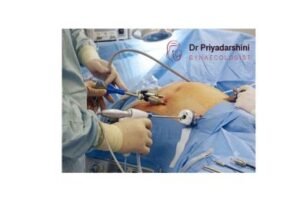
Depending on the fibroid’s size and location, myomectomy may be performed using different surgical approaches, including minimally invasive or open surgery.
For women who wish to preserve fertility, the possibility of myomectomy may be discussed when fibroids are contributing to symptoms or reproductive concerns. The decision should be individualized after evaluation.
4. Hysterectomy
A hysterectomy involves removal of the uterus. It is a definitive treatment for fibroids because fibroids cannot grow back after the uterus is removed.
However, hysterectomy permanently ends the ability to become pregnant, so it is generally considered only after discussing the patient’s symptoms, age, reproductive plans, and other available treatment options.
5. Uterine Artery Embolization and Other Options
Uterine artery embolization is a minimally invasive procedure that reduces blood flow to fibroids, causing them to shrink.
Other treatment approaches may also be available in selected cases. The suitability of each option depends on the individual patient’s symptoms, fibroid characteristics, health status, and reproductive goals.
When Should You See a Gynecologist for Fibroids?
You should consider seeing a gynecologist if you experience unusually heavy periods, persistent pelvic pain, increasing abdominal pressure, frequent urination, anemia symptoms, painful intercourse, or difficulty becoming pregnant.
You should also seek medical advice if you already know that you have fibroids but your symptoms are changing or becoming more difficult to manage.
Early evaluation can help identify the cause of your symptoms and allow your doctor to discuss appropriate monitoring or treatment options.
Fibroid Treatment in Delhi: Why Individual Evaluation Matters
Women searching for fibroid treatment in Delhi may find many different treatment options online. However, the right treatment cannot be selected based only on the size of a fibroid.
The number, location, symptoms, age, medical history, and future pregnancy plans all matter.
Dr. Priyadarshini Ghosh is a gynecologist and infertility specialist in Delhi with 15+ years of experience. Her practice includes care for women with fibroids, ovarian cysts, endometriosis, infertility, and other gynecological conditions. She also provides minimally invasive gynecological care.
Frequently Asked Questions About Fibroids
1. Are uterine fibroids cancerous?
Most uterine fibroids are benign, meaning they are non-cancerous growths. Having a fibroid does not mean that a woman has cancer. However, unusual or changing symptoms should always be evaluated by a medical professional.
2. Can fibroids cause heavy periods?
Yes. Heavy or prolonged menstrual bleeding is one of the common symptoms associated with fibroids. Persistent heavy bleeding can sometimes contribute to iron-deficiency anemia.
3. Can fibroids affect pregnancy?
Some women with fibroids conceive and have healthy pregnancies without treatment. However, certain fibroids, particularly those that affect the uterine cavity, may be relevant to fertility or pregnancy management. Your gynecologist can assess your individual situation.
4. Do all fibroids require surgery?
No. Fibroids that do not cause significant symptoms may simply be monitored. Surgery or another procedure may be considered when symptoms are significant, fibroids are affecting reproductive health, or other treatment options are not suitable or effective.
5. What is the best treatment for fibroids?
There is no single best treatment for every woman. The appropriate option depends on the size and location of the fibroids, symptoms, age, overall health, and whether future pregnancy is desired. A gynecologist can explain the available options after evaluation.
Suggested Links
https://drpriyadarshinigynae.com
https://drpriyadarshinigynae.com/contact
https://drpriyadarshinigynae.com/blog
Take the Next Step for Fibroid Care
If you have heavy periods, pelvic pressure, abdominal discomfort, or have already been diagnosed with uterine fibroids, do not assume that surgery is always necessary. A proper evaluation can help determine whether monitoring, medicines, minimally invasive treatment, or another approach is appropriate for you.
Book a consultation with Dr. Priyadarshini Ghosh to discuss your symptoms, diagnosis, fertility plans, and available treatment options.
Dr. Priyadarshini Ghosh consults at Advanced Gynae Care Clinic, L23, Block L, Kalkaji, New Delhi – 110019, with consultations Monday to Saturday from 11:00 AM to 7:00 PM.
Phone: +91-8595274949