
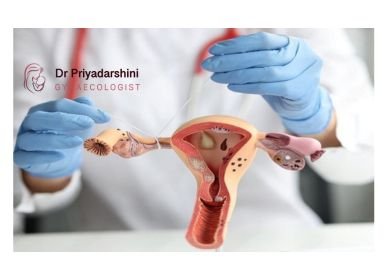
Blocked fallopian tubes can be an important cause of difficulty conceiving. The fallopian tubes connect the ovaries with the uterus and provide the pathway through which the egg travels. They are also the usual place where the egg and sperm meet.
When one or both fallopian tubes are blocked or damaged, the chances of natural conception may be affected. However, a blocked tube does not automatically mean that pregnancy is impossible. The impact depends on whether one or both tubes are affected, where the blockage is located, the degree of tubal damage, and other fertility factors.
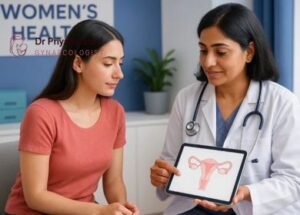
For women looking for blocked fallopian tube treatment in Delhi, understanding the causes, diagnosis, and available treatment options can help them have a more informed discussion with a gynecologist or fertility specialist.
What Are Blocked Fallopian Tubes?
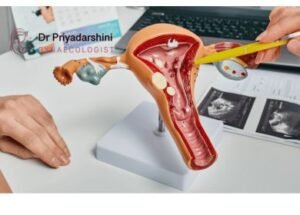
Fallopian tubes are narrow reproductive organs extending from the uterus toward the ovaries. After ovulation, an egg normally enters a fallopian tube. If sperm fertilizes the egg, the early embryo then travels toward the uterus.
A blockage can interfere with this process.
If only one tube is blocked and the other tube is open and functioning, pregnancy may still occur naturally. If both tubes are blocked, natural conception becomes more difficult because the normal pathway between the egg and sperm is interrupted.
Tubal problems are one of several possible factors considered during an infertility evaluation. Other factors can include ovulation, ovarian function, the uterus, age, and sperm health.
What Causes Blocked Fallopian Tubes?
Several conditions can cause inflammation, scarring, narrowing, or blockage of the fallopian tubes.
1. Pelvic Infections
Previous pelvic infections, including infections associated with sexually transmitted infections, can cause inflammation and scarring around the reproductive organs.
Over time, this scarring may affect the fallopian tubes and interfere with their normal function.
2. Endometriosis
Endometriosis occurs when tissue similar to the uterine lining grows outside the uterus. It can cause inflammation and scar tissue in the pelvis.
In some women, this can affect the fallopian tubes or cause pelvic adhesions, which may contribute to fertility problems.
3. Previous Pelvic or Abdominal Surgery
Surgery involving the abdomen or pelvis can sometimes result in adhesions, which are bands of scar tissue.
Depending on their location, adhesions may affect the position or movement of the fallopian tubes and surrounding reproductive organs.
4. Previous Ectopic Pregnancy
An ectopic pregnancy occurs when a pregnancy develops outside the main cavity of the uterus, most commonly in a fallopian tube.
Previous tubal damage or an ectopic pregnancy can be relevant when assessing fertility and the condition of the fallopian tubes.
5. Other Tubal Problems
Congenital abnormalities, previous inflammation, or conditions affecting the reproductive organs can also contribute to tubal problems.
Because several conditions can affect fertility, a proper evaluation is more useful than trying to identify a blocked tube based on symptoms alone.
What Are the Symptoms of Blocked Fallopian Tubes?
One of the most important things to know is that blocked fallopian tubes often cause no obvious symptoms.
Some women only discover a tubal problem when they undergo an infertility evaluation.
Symptoms, when present, may be related to the condition causing the blockage rather than the blockage itself. These may include:
- Pelvic pain
- Painful periods
- Pain during intercourse
- Abnormal vaginal discharge
- A history of pelvic infection
- Difficulty becoming pregnant
These symptoms do not confirm blocked tubes. Specific testing is usually needed to assess whether the fallopian tubes are open.
How Are Blocked Fallopian Tubes Diagnosed?
Tubal evaluation is an important part of infertility assessment when a tubal problem is suspected.
Hysterosalpingography (HSG)
Hysterosalpingography, or HSG, is an X-ray procedure used to examine the uterus and fallopian tubes.
During HSG, contrast material is introduced through the cervix. X-ray images show how the contrast moves through the uterus and tubes. If the tubes are open, the contrast can pass through them. A blockage can prevent the expected flow.
HSG can also provide information about the shape of the uterine cavity.
Ultrasound-Based Tubal Testing
Depending on the clinical situation and local expertise, a doctor may recommend an ultrasound-based test such as HyCoSy to assess tubal patency. The WHO’s 2025 infertility guideline identifies HSG or HyCoSy as options for assessing tubal patency in women with suspected tubal disease.
Laparoscopy
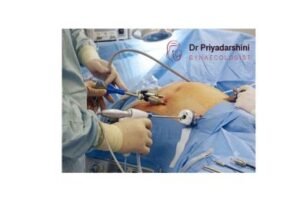
Laparoscopy is a minimally invasive surgical procedure that uses a camera inserted through a small abdominal incision.
It can allow a surgeon to examine the fallopian tubes, ovaries, uterus, and surrounding pelvic structures. It may be particularly useful when conditions such as endometriosis or pelvic adhesions are suspected.
Your doctor will decide which test is appropriate based on your symptoms, medical history, previous test results, and fertility goals.
Can Blocked Fallopian Tubes Be Treated?
In some cases, blocked or damaged fallopian tubes can be treated. However, treatment is not the same for every woman.
The treatment plan may depend on:
- Whether one or both tubes are affected
- The location of the blockage
- The extent of tubal damage
- Age
- Ovarian reserve
- Presence of endometriosis
- Previous pelvic surgery
- Sperm health
- Previous pregnancies or fertility treatments
ACOG notes that surgery may sometimes be used to repair blocked or damaged fallopian tubes.
Treatment Options for Blocked Fallopian Tubes
Tubal Surgery
For selected women, surgery may be considered to repair or reopen a damaged or blocked tube.
The potential benefit depends strongly on the location and severity of the blockage and the overall condition of the tube.
Tubal surgery is therefore not automatically appropriate for everyone with an abnormal HSG result.
Laparoscopic Surgery
When pelvic adhesions, endometriosis, or other pelvic abnormalities are present, laparoscopic surgery may be used to examine and, where appropriate, treat the condition.
The exact procedure depends on what is found during evaluation.
Dr. Priyadarshini Ghosh’s website lists diagnostic laparoscopy for infertility among her gynecological services.
IVF
In vitro fertilization (IVF) can bypass the fallopian tubes.
During IVF, eggs are collected from the ovaries and fertilized with sperm in a laboratory. An embryo is then transferred into the uterus.
IVF may be considered when the fallopian tubes are significantly damaged or blocked and surgery is not suitable or is unlikely to provide an appropriate treatment pathway.
The choice between surgery and IVF should be individualized rather than based only on the presence of a blockage.
Is IVF Always Needed for Blocked Fallopian Tubes?
No.
A woman with one blocked tube may still conceive naturally if the other tube is healthy and other fertility factors are favorable.
In selected cases of tubal disease, surgery may be considered. In other situations, IVF may be discussed because it bypasses the fallopian tubes.
A fertility specialist will consider the complete picture rather than treating the HSG result alone.
When Should You See a Fertility Specialist in Delhi?
Consider an infertility evaluation if you have been trying to conceive without success or have a history that may increase the possibility of tubal disease.
ACOG recommends an infertility evaluation after 12 months of trying for women younger than 35, after 6 months for women older than 35, and more promptly for women over 40. Earlier evaluation may also be appropriate when there is a known or suspected fertility-related condition.
An infertility assessment should also consider both partners when applicable. A semen analysis is an important part of evaluating possible male-factor infertility.
Frequently Asked Questions
1. Can blocked fallopian tubes cause infertility?
Yes. Blocked or damaged fallopian tubes can interfere with the normal movement of the egg and sperm and may contribute to infertility. The effect depends on whether one or both tubes are affected and the extent of damage.
2. How are blocked fallopian tubes diagnosed?
HSG is commonly used to assess whether the fallopian tubes are open. Depending on the situation, HyCoSy or laparoscopy may also be considered.
3. Can blocked fallopian tubes be opened naturally?
There is no proven home treatment that can reliably reopen a physically blocked or scarred fallopian tube. Treatment depends on the cause and location of the blockage and may include selected surgery or fertility treatment.
4. Can I get pregnant naturally with one blocked fallopian tube?
Natural pregnancy may still be possible when one tube is open and functioning. However, fertility also depends on ovulation, ovarian reserve, age, sperm health, and other reproductive factors.
5. Is IVF the only treatment for blocked fallopian tubes?
No. Selected women may be candidates for tubal surgery, while IVF may be considered when the tubes are severely damaged or blocked or when surgery is not an appropriate option. The treatment decision should be individualized.
Suggested Links
https://drpriyadarshinigynae.com
https://drpriyadarshinigynae.com/contact
https://drpriyadarshinigynae.com/blog
https://www.instagram.com/advancedgynaecare
Book a Fertility Consultation in Delhi
Blocked fallopian tubes can affect fertility, but an abnormal HSG or suspected tubal blockage does not by itself determine the complete treatment plan.
The appropriate approach depends on the location and severity of the blockage, the condition of the reproductive organs, age, ovarian function, sperm health, previous medical history, and pregnancy goals.
Dr. Priyadarshini Ghosh provides gynecology and infertility care in Kalkaji, New Delhi, and her website lists infertility treatment and diagnostic laparoscopy among her services.
Advanced Gynae Care Clinic
L23, Block L, Kalkaji, New Delhi – 110019
Phone: +91-8595274949
Timings: Monday–Saturday, 11:00 AM–7:00 PM
If you have been trying to conceive, have an abnormal HSG report, or have a history of endometriosis, pelvic infection, or tubal problems, book a fertility consultation to understand your diagnosis and available treatment options.