
Hysteroscopy is a minimally invasive gynecological procedure that allows a doctor to look directly inside the uterus using a thin, lighted instrument called a hysteroscope. It can help diagnose the cause of abnormal uterine bleeding and can also be used to treat certain problems inside the uterus.
For women searching for hysteroscopy in Delhi, it is important to understand why the procedure may be recommended, what conditions it can detect, how it is performed, and what recovery may be like.
What Is Hysteroscopy?
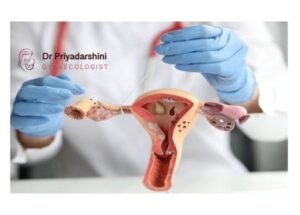
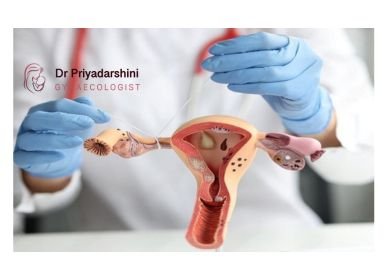
Hysteroscopy is a procedure used to examine the inside of the uterus. A thin hysteroscope is gently passed through the vagina and cervix into the uterine cavity. The doctor can then view the uterine lining and identify abnormalities.
Depending on the reason for the procedure, hysteroscopy can be diagnostic, meaning it is mainly used to identify a problem, or operative, meaning treatment can be performed during the same procedure.
According to the American College of Obstetricians and Gynecologists (ACOG), hysteroscopy may be used for both diagnosis and treatment of problems inside the uterus.
When Is Hysteroscopy Recommended?
Hysteroscopy is not required for every woman with menstrual or fertility concerns. A gynecologist usually recommends it when symptoms, examination findings, ultrasound results, or other investigations suggest a problem inside the uterine cavity.
Common reasons include:
1. Heavy or Abnormal Uterine Bleeding
Heavy, prolonged, or irregular menstrual bleeding can have several causes. Polyps, fibroids, hormonal changes, and other uterine conditions may contribute to abnormal bleeding.
Hysteroscopy allows the doctor to directly examine the uterine cavity and, when appropriate, take a biopsy or treat a detected abnormality.
2. Uterine Polyps
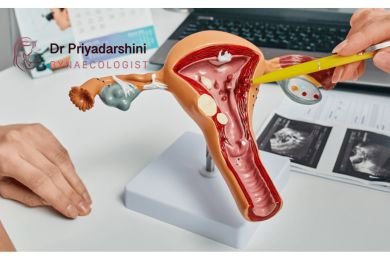
Endometrial polyps are growths that develop from the lining of the uterus. They may cause abnormal bleeding and can sometimes be associated with fertility problems.
If a polyp is identified, hysteroscopic polypectomy can allow the doctor to remove it under direct visualization. ACOG notes that hysteroscopic removal is used for endometrial polyps and can be considered in appropriate cases.
3. Submucosal Fibroids
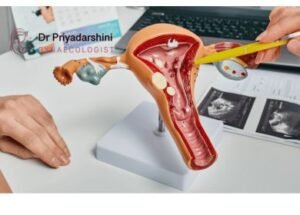
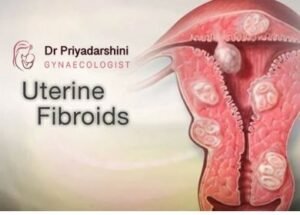
Fibroids are usually non-cancerous growths of the uterus. Some fibroids develop partly or completely within the uterine cavity and may contribute to heavy menstrual bleeding or reproductive problems.
When a suitable submucosal fibroid is located inside the uterine cavity, hysteroscopic myomectomy may be considered to remove it.
4. Recurrent Pregnancy Loss
In some women with repeated pregnancy losses, a doctor may investigate whether an abnormality inside the uterus could be contributing to the problem.
Hysteroscopy can help identify conditions such as uterine adhesions, polyps, fibroids, or certain structural abnormalities.
5. Infertility Evaluation
Some abnormalities inside the uterus may affect implantation or pregnancy. Depending on the individual’s medical history and previous investigations, hysteroscopy may be considered as part of an infertility evaluation.
It is not automatically required for every woman experiencing difficulty conceiving. Your gynecologist will decide whether it is appropriate based on your symptoms, fertility history, and other test results.
6. Intrauterine Adhesions
Intrauterine adhesions are areas of scar tissue that can develop inside the uterus, sometimes after certain procedures, infections, or pregnancy-related events.
Hysteroscopy can help diagnose these adhesions and may also allow the doctor to treat them during an operative procedure.
What Happens During Hysteroscopy?
Before the procedure, your gynecologist will explain why hysteroscopy is being recommended and discuss the appropriate pain-relief or anesthesia option.
During the procedure:
- You are positioned for the examination.
- The hysteroscope is gently passed through the vagina and cervix.
- A fluid such as saline may be introduced into the uterus to improve visibility.
- The doctor examines the uterine cavity.
- If necessary, a biopsy or treatment may be performed using small instruments passed through the hysteroscope.
The exact process depends on whether the procedure is diagnostic or operative.
Is Hysteroscopy a Minimally Invasive Procedure?
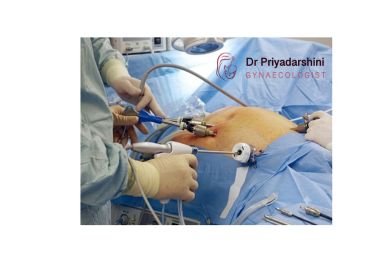
Yes. Hysteroscopy is considered minimally invasive because the doctor can access the uterine cavity through the vagina and cervix rather than making an abdominal incision.
Some hysteroscopy procedures can be performed in an office setting, while more complex operative procedures may require a hospital or surgical facility.
The appropriate setting depends on the procedure being performed, the patient’s medical history, the size and location of the uterine abnormality, pain or anxiety considerations, and the available facilities.
Is Hysteroscopy Painful?
The experience varies from person to person and depends on the type of hysteroscopy.
Some women experience cramping or discomfort, while others may require additional pain relief. ACOG’s current guidance supports discussing pain-management options with the healthcare professional before an in-office uterine procedure. Local anesthesia may be used for diagnostic or operative hysteroscopy when appropriate.
Your doctor should explain the available options based on the procedure and your individual circumstances.
What Is Recovery Like After Hysteroscopy?
Recovery depends on the type of hysteroscopy and whether any treatment was performed.
After the procedure, some women may experience mild cramping or light bloody discharge for a few days. Many people can return to their usual activities relatively quickly, but your doctor will provide specific instructions based on your procedure.
If you develop heavy bleeding, fever, chills, severe pain, or other concerning symptoms after hysteroscopy, contact your healthcare professional promptly.
What Are the Risks of Hysteroscopy?
Hysteroscopy is generally considered a safe procedure, but like any medical procedure, it has potential risks.
Possible complications can include:
- Bleeding
- Infection
- Injury or perforation of the uterus or cervix
- Problems related to the fluid used to expand the uterus
- Complications related to anesthesia or sedation, when used
The risk varies depending on whether the procedure is diagnostic or operative and what treatment is being performed. Your gynecologist should discuss the relevant risks and benefits before the procedure.
How Is Hysteroscopy Different From an Ultrasound?
An ultrasound creates images of the uterus and surrounding pelvic organs from outside or through an internal ultrasound probe. Hysteroscopy, in contrast, allows the doctor to directly view the inside of the uterine cavity.
These tests serve different purposes and may sometimes complement each other. Your doctor may recommend an ultrasound first and then consider hysteroscopy if more detailed evaluation or treatment of an intrauterine problem is needed.
When Should You See a Gynecologist About Hysteroscopy?
Consider consulting a gynecologist if you experience persistent abnormal bleeding, unexplained heavy periods, recurrent pregnancy loss, infertility concerns, or if an ultrasound has identified a possible polyp, fibroid, or other uterine abnormality.
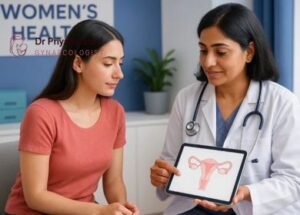
A specialist can review your symptoms and previous reports and determine whether hysteroscopy is appropriate for you.
Dr. Priyadarshini Ghosh’s current website lists diagnostic hysteroscopy, hysteroscopic uterine polypectomy, and hysteroscopic septum resection among her gynecological services. Her clinic is located in Kalkaji, New Delhi.
Frequently Asked Questions About Hysteroscopy
1. What is hysteroscopy used for?
Hysteroscopy is used to examine the inside of the uterus and diagnose or treat certain uterine problems. It may be recommended for abnormal uterine bleeding, polyps, some fibroids, intrauterine adhesions, recurrent pregnancy loss, or selected fertility-related concerns.
2. Is hysteroscopy a major surgery?
Hysteroscopy is a minimally invasive procedure. Some diagnostic procedures can be performed in an office setting, while more complex operative hysteroscopy may be performed in a hospital or surgical facility.
3. Can hysteroscopy remove uterine polyps?
Yes. When a suitable endometrial polyp is found, it can often be removed during operative hysteroscopy using instruments passed through the hysteroscope.
4. Can hysteroscopy help with infertility?
Hysteroscopy may be recommended for selected women undergoing infertility evaluation, particularly when there is a suspected abnormality inside the uterine cavity. It is not necessary for every woman with infertility.
5. How long does it take to recover from hysteroscopy?
Recovery varies according to the type of procedure and whether treatment was performed. Many women can return to normal activities quickly, but the treating gynecologist will provide individual instructions. Mild cramping or light bleeding can occur for a few days.
Suggested Links
https://drpriyadarshinigynae.com
https://drpriyadarshinigynae.com/contact
https://drpriyadarshinigynae.com/blog
https://www.instagram.com/advancedgynaecare
Book a Gynecology Consultation in Delhi
Persistent abnormal bleeding, fertility concerns, or a suspected uterine abnormality should not be ignored. The right diagnostic approach depends on your symptoms, medical history, examination, and previous investigations.
If your gynecologist has recommended hysteroscopy or you want to understand whether it may be appropriate for your condition, consult a qualified gynecologist for an individual assessment.
Dr. Priyadarshini Ghosh provides gynecological and minimally invasive surgical care at Advanced Gynae Care Clinic in Kalkaji, New Delhi. Her website lists diagnostic hysteroscopy and hysteroscopic procedures among the services offered.
Advanced Gynae Care Clinic
L23, Block L, Kalkaji, New Delhi – 110019
Phone: +91-8595274949
Book a consultation to discuss your symptoms, reports, and whether hysteroscopy is appropriate for your individual needs.