
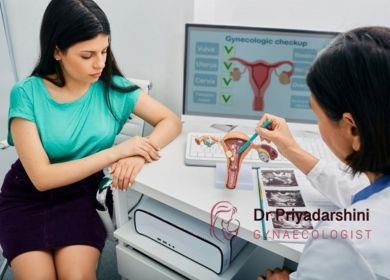
Heavy periods can be more than just an uncomfortable part of the menstrual cycle. If you regularly have very heavy bleeding, large blood clots, periods lasting more than seven days, or tiredness that affects your daily life, it may be time to speak with a gynecologist.
Heavy menstrual bleeding, also called menorrhagia, can have several causes. Sometimes there is no serious underlying condition, but heavy bleeding can also be linked to fibroids, adenomyosis, endometriosis, hormonal changes, polyps, certain medicines, or bleeding disorders.
For women looking for a gynecologist in Delhi, understanding when heavy periods need medical attention can help in getting the right diagnosis and treatment at the right time.
What Are Heavy Periods?
There is no single amount of bleeding that defines a heavy period for every woman. However, certain signs can indicate that your menstrual bleeding is heavier than usual.
You may have heavy periods if you:
- Need to change your sanitary pad or tampon every one to two hours.
- Bleed for more than seven days.
- Need to use more than one period product at the same time.
- Frequently pass large blood clots.
- Experience bleeding through your clothes or bedsheets.
- Feel extremely tired, weak, dizzy, or short of breath.
- Avoid work, exercise, social activities, or other normal activities because of your period.
These symptoms can affect quality of life and may sometimes lead to iron-deficiency anaemia.
What Causes Heavy Periods in Women?
Heavy menstrual bleeding can happen for different reasons. Identifying the underlying cause is important because treatment depends on the individual situation.
1. Fibroids
Fibroids are non-cancerous growths that develop in or around the uterus. They may cause heavy or prolonged periods, pelvic pressure, pain, or other menstrual symptoms.
Fibroids are a common reason doctors may recommend a pelvic ultrasound when a woman has persistent heavy bleeding.
2. Adenomyosis
Adenomyosis occurs when tissue similar to the uterine lining grows into the muscular wall of the uterus. It can cause heavy periods, painful periods, pelvic discomfort, and sometimes an enlarged or tender uterus.
3. Endometriosis
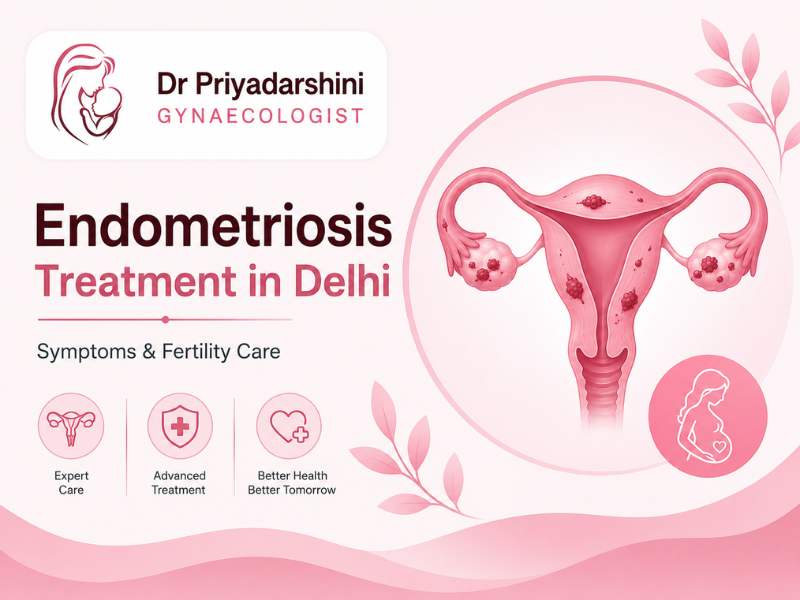
Endometriosis occurs when tissue similar to the uterine lining grows outside the uterus. It can be associated with painful periods, pelvic pain, pain during intercourse, and in some women, heavy or irregular bleeding.
4. Uterine Polyps
Polyps are small growths in the lining of the uterus. Although they may not always cause symptoms, they can sometimes contribute to heavy or irregular menstrual bleeding.
5. Hormonal Changes
Changes in reproductive hormones can affect ovulation and the thickness of the uterine lining. Hormonal changes may be more noticeable during adolescence, after pregnancy, or during the years approaching menopause.
6. Certain Medicines or Contraceptives
Some medicines, including anticoagulants, can increase bleeding. Certain contraceptive methods can also affect menstrual flow. For example, copper intrauterine contraception may make periods heavier in some women.
7. Bleeding Disorders
Some women have an underlying bleeding disorder that makes them more likely to experience heavy menstrual bleeding. A doctor may consider this possibility when the bleeding pattern or personal and family history suggests it.
Symptoms of Heavy Menstrual Bleeding You Should Not Ignore
Heavy bleeding becomes particularly important when it is persistent or starts affecting your everyday life.
Watch for:
- Periods lasting longer than seven days
- Very frequent pad or tampon changes
- Large or repeated blood clots
- Bleeding through clothing or bedding
- Severe menstrual cramps
- Persistent weakness or fatigue
- Dizziness or shortness of breath
- Symptoms of anaemia
- Bleeding between periods
- Bleeding after sexual intercourse
Bleeding between periods or after sex should be evaluated by a healthcare professional because it can have several causes and should not simply be assumed to be part of a normal period.
When Should You See a Gynecologist in Delhi?
You should consider consulting a gynecologist if heavy periods are repeatedly affecting your work, studies, sleep, exercise, relationships, or general quality of life.
You should also seek medical evaluation if:
- Your periods suddenly become much heavier than before.
- Your periods consistently last more than seven days.
- You regularly pass large blood clots.
- You feel unusually tired or weak during or after your periods.
- You experience significant pelvic pain.
- You have bleeding between periods.
- You bleed after sex.
- You have symptoms suggesting anaemia.
A gynecologist can review your menstrual history, symptoms, medical history, medicines, and reproductive health before deciding which investigations are appropriate.
How Are Heavy Periods Diagnosed?
Diagnosis begins with understanding your bleeding pattern.
Your doctor may ask:
- How many days your period lasts
- How often you need to change pads or other menstrual products
- Whether you pass blood clots
- Whether you have pelvic pain
- Whether bleeding occurs between periods
- Whether you have symptoms such as tiredness or dizziness
- Whether you are taking medicines or using contraception
- Whether you have any relevant medical or family history
Depending on your symptoms, evaluation may include blood tests or imaging such as an ultrasound. Blood tests may help identify anaemia or other underlying problems.
Treatment for Heavy Periods
Treatment depends on the cause, severity of symptoms, age, medical history, and whether you are planning a pregnancy.
Depending on the diagnosis, treatment may include medicines that reduce menstrual bleeding, hormonal treatments, or treatment directed at an underlying condition such as fibroids or polyps. In selected cases, procedures or surgery may be considered.
There is no single treatment that is suitable for every woman. A gynecologist can help identify the cause and discuss the available options.
Why Early Evaluation Matters
Many women consider heavy periods something they simply have to live with. However, persistent heavy bleeding should not automatically be accepted as normal.
Heavy menstrual bleeding can interfere with everyday activities and may contribute to anaemia. In some cases, it may also be a symptom of an underlying gynecological condition that requires treatment.
Getting evaluated early can help identify the cause and allow treatment to be planned according to your individual needs.
Frequently Asked Questions
1. How do I know if my period is too heavy?
Your period may be considered unusually heavy if you need to change your pad or tampon every one to two hours, bleed for more than seven days, pass large clots, experience leakage, or find that your periods interfere with normal daily activities.
2. What are the common causes of heavy periods?
Common causes include fibroids, adenomyosis, endometriosis, uterine polyps, hormonal changes, certain medicines or contraceptives, and bleeding disorders. Sometimes no specific underlying cause is found.
3. Can heavy periods cause anaemia?
Yes. Repeated heavy menstrual bleeding can lead to iron deficiency and anaemia. Symptoms can include tiredness, weakness, dizziness, and shortness of breath. Your doctor may recommend blood tests if anaemia is suspected.
4. When should I see a gynecologist for heavy periods?
You should consider seeing a gynecologist if heavy bleeding is persistent, lasts more than seven days, affects your daily activities, causes significant pain, or occurs with bleeding between periods or after sex.
5. Can heavy periods be treated?
Yes. Treatment is available for many causes of heavy menstrual bleeding. Depending on the cause, options may include medicines, hormonal treatments, procedures, or surgery. Your gynecologist can recommend an approach based on your symptoms and diagnosis.
Suggested Links
https://drpriyadarshinigynae.com
https://drpriyadarshinigynae.com/contact
https://www.instagram.com/advancedgynaecare
https://drpriyadarshinigynae.com/blog
Take the Next Step for Your Menstrual Health
Heavy periods should not be something you have to manage alone. If your bleeding is unusually heavy, prolonged, painful, or affecting your daily life, consider getting evaluated by a qualified gynecologist.
For women seeking gynecological care in Delhi, Dr. Priyadarshini Ghosh provides consultations for menstrual and other women’s health concerns. You can contact the clinic to discuss your symptoms and schedule an appointment.
Clinic: L23, Block L, Kalkaji, New Delhi – 110019
Phone: +91-8595274949
Consultation: Monday–Saturday, 11:00 AM–7:00 PM
Book a consultation and take the first step toward understanding the cause of heavy periods and choosing appropriate care.